Homeowners Insurance
Myth: homeowners insurance covers floods
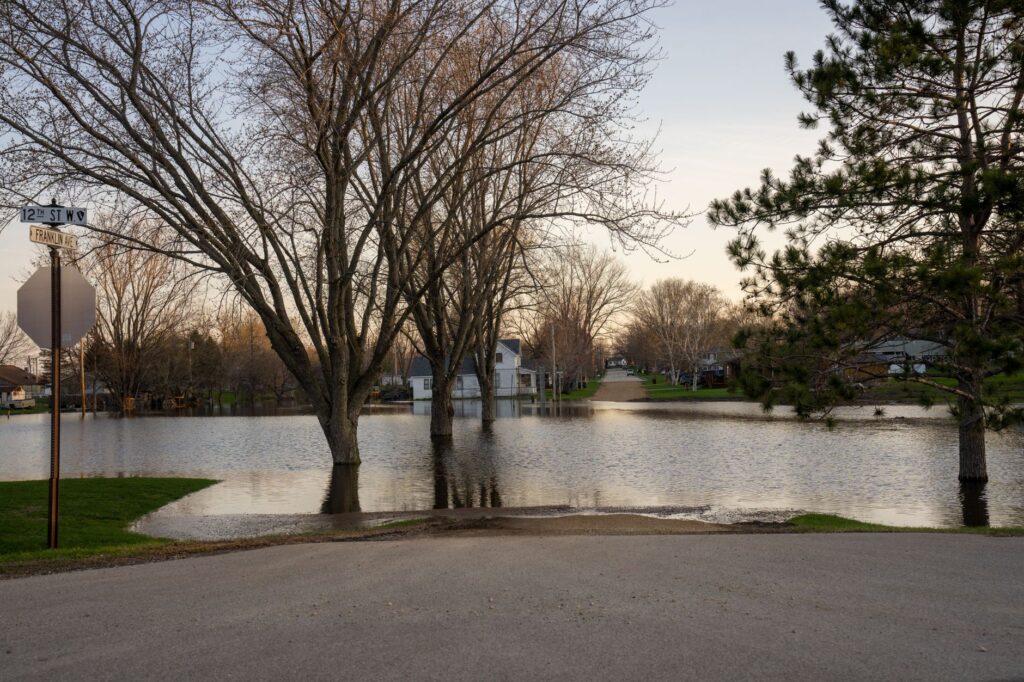
Many property owners discover that their standard insurance does not protect them against rising water only after a storm hits. Assuming that standard coverage protects against every disaster can lead to massive out-of-pocket repair bills. Understanding how flood protection works helps you protect your home and belongings from catastrophic water damage.
Why is the idea that homeowners insurance covers floods a common myth?
It is a dangerous assumption to believe homeowners insurance covers floods, as standard policies exclude this hazard entirely. Standard homeowners, condo owners, and renters insurance policies do not pay for flood damage. Flood coverage functions like earthquake insurance, meaning it is treated as a separate risk that requires specialized coverage.
A policy limit is the maximum dollar amount an insurance policy will pay out for a covered loss. Even if your base home policy has high limits for fire or wind, those limits offer zero protection against rising waters. Homeowners must look outside their baseline policies to secure true flood protection.
Both government-backed initiatives and private insurance markets offer dedicated flood policies. You cannot rely on an annual homeowners renewal to include this protection automatically. You must specifically seek out and purchase a standalone flood policy to be covered.
Related reading: Does homeowners insurance cover water damage from a burst pipe? · How much homeowners insurance do I need?
What causes flooding and who needs a separate policy?
Flooding can occur in almost any geographic location, not just along the coastline. You will need flood insurance if your property sits inside a federally designated flood zone. However, severe flooding frequently happens in inland areas located far away from major rivers.
Water damage can develop rapidly from several natural occurrences that overwhelm regional drainage. You should consider buying a flood insurance policy if your house could be flooded by:
- Melting snow during rapid spring thaws.
- An overflowing creek, stream, or pond near your neighborhood.
- Water running down a steep hill or slope toward your foundation.
Renters and homeowners alike can purchase flood insurance to protect their living spaces and belongings. Do not wait for a flood warning on the evening news to purchase coverage. National Flood Insurance Program policies enforce a strict 30-day waiting period before coverage takes effect.
How does the National Flood Insurance Program work?
The federal government provides flood protection through the National Flood Insurance Program, also known as the NFIP. This federal program is managed directly by the Federal Emergency Management Agency, or FEMA. Although the federal government underwrites NFIP policies, you generally purchase this coverage through private insurance agents.
The NFIP establishes specific coverage maximums for participating policyholders. The program covers up to $250,000 for your home structure and up to $100,000 for your personal possessions. These caps represent the absolute maximum dollar amounts the federal program will pay after a flood.
The type of valuation used for your claim depends on whether you are repairing the house or replacing personal items. The program provides structure coverage based on replacement cost, which pays the amount necessary to rebuild your house as it was before the damage occurred. In contrast, personal possessions are covered under actual cash value, which only pays the depreciated current value of your items.
Actual cash value payments can be considerably lower than the money needed to replace damaged goods with new items. Furthermore, the NFIP imposes specific coverage limits on furniture and personal belongings stored in basements. Knowing these structural and personal property caps helps you decide if federal limits are enough for your home.
What are your private market flood insurance options?
Private insurers provide alternatives and additions to government flood coverage. These private market options give property owners flexible ways to insure expensive structures or high-value personal belongings. Private flood coverage generally falls into two distinct categories.
First, many private insurers sell primary flood insurance, which is also known as first-dollar coverage. Primary flood insurance operates similarly to an NFIP policy but generally offers higher coverage limits for structures and contents. You can speak with an insurance professional to see if private primary coverage is sold in your area.
Second, homeowners can purchase excess flood insurance to build extra protection over primary coverage. Excess flood insurance is an additional policy that pays for damages exceeding the dollar caps of your primary policy. This option serves homeowners with homes valued above NFIP limits or those living in communities that do not participate in the NFIP.
You can purchase excess flood insurance whether your base policy comes from the NFIP or a private company. This supplemental coverage is available nationwide, including high-risk coastal zones, riverfront areas, and lower-risk inland regions. You can purchase it through independent agents or regular homeowners insurance companies that partner with specialized flood insurers.
How do flood insurance options compare?
Choosing the right flood policy requires comparing limits, availability, and how policies handle your personal possessions. The table below outlines how federal and private flood insurance options function side by side.
| Coverage Feature | NFIP Flood Policy | Private Primary Flood | Excess Flood Insurance |
|---|---|---|---|
| Maximum Structure Limit | Up to $250,000 | Generally higher than NFIP | Adds limits above primary caps |
| Maximum Contents Limit | Up to $100,000 | Generally higher than NFIP | Adds limits above primary caps |
| Contents Claim Valuation | Actual cash value | Varies by private carrier | Applies above primary policy |
| Waiting Period | 30 days | Varies by carrier rules | Varies by carrier rules |
| Underwriter | Federal government (FEMA) | Private insurance companies | Specialized private insurers |
Why is a home inventory essential before filing a flood claim?
A home inventory is a detailed, itemized record of your personal property and belongings. Having an accurate home inventory is essential if you ever need to file an insurance claim after a disaster. Failing to keep a home inventory can significantly delay your claim payment when you need funds the most.
Most insurance companies demand a comprehensive record of your lost or damaged items before paying a personal property claim. You should ask your insurance agent what specific documentation your insurer requires before an emergency happens. Creating your list ahead of time ensures you receive fair compensation under your policy terms.
Documenting your possessions is simple using modern technology and clear recordkeeping habits:
- Take photos or capture video walkthroughs of every room in your home using your smartphone.
- Open closets and drawers to document smaller items and clothing.
- Record the serial numbers of valuable belongings, such as appliances and electronics.
- Check the shed and garage to catalog tools, lawn equipment, and sporting goods.
- Use mobile tools like the free NAIC Home Inventory app or your insurer’s proprietary app.
Always keep your home inventory secure and accessible from outside your home. Store an extra copy with a trusted friend or family member, or upload your files to cloud storage or your email. Make it a regular habit to update your inventory whenever you make large purchases.
How do policy limits affect rebuilding your home?
Rebuilding after severe property destruction requires adequate policy limits on your home structure. Your insurance policy maintains strict dollar limits on the total amount it will pay out after a disaster. If your coverage limits fall below the actual cost to rebuild, you must pay the remaining balance out of your own pocket.
Your insurance agent can review your policy documents to identify your current dollar limit. They can also help you calculate the estimated cost to rebuild your home from the ground up. Because local construction costs fluctuate over time, checking your rebuilding limits with your agent every year is essential.
Reviewing rebuilding costs annually prevents you from being underinsured when a crisis strikes. Verifying your coverage limits and pairing them with proper flood protection ensures your property remains fully protected.
Key takeaways
- Standard homeowners, renters, and condo insurance policies do not cover flood damage under any circumstances.
- NFIP policies provide up to $250,000 for structure repairs at replacement cost and up to $100,000 for personal belongings at actual cash value.
- A 30-day waiting period applies to NFIP policies before coverage becomes active, meaning you cannot wait for an approaching storm to purchase protection.
- Private flood insurance provides primary options with higher limits as well as excess flood policies to cover values beyond basic plans.
- Maintaining an up-to-date home inventory with photos and serial numbers prevents delays during personal property claim settlements.
Common mistakes to avoid
- Assuming your standard policy covers flood damage: Relying on standard homeowners insurance leaves you completely uninsured against overflowing water, melting snow, and heavy rain runoff.
- Waiting until a storm arrives to buy insurance: Attempting to buy NFIP coverage right before a storm fails because the federal program requires a 30-day waiting period.
- Neglecting to update rebuilding limits: Failing to review home replacement limits annually leaves you vulnerable to rising construction costs if you must rebuild.
- Storing claim documentation inside the home only: Keeping your home inventory on a single home computer risks losing all proof during a flood; keep backups in cloud storage or with family.
- Overlooking inland flood risks: Skipping flood insurance because you live outside a high-risk flood zone leaves you unprotected against runoff from hills, ponds, or overflowing creeks.
Frequently asked questions
Does standard homeowners insurance cover flood damage?
No, standard homeowners, condo owners, and renters insurance policies do not cover damage from flooding. You must buy a separate flood insurance policy through the federal government or a private insurer.
How long does it take for a flood insurance policy to take effect?
National Flood Insurance Program policies have a 30-day waiting period before your coverage officially begins. You should buy coverage well before a storm or flood season arrives.
What is the difference between replacement cost and actual cash value in flood insurance?
Replacement cost pays the amount required to rebuild your home structure as it was before the disaster. Actual cash value pays only the current depreciated value of your personal possessions, which is often less than the original purchase price.
Can people who live outside designated flood zones buy flood insurance?
Yes, flood insurance is available in inland and lower-risk areas away from rivers. In addition, excess flood insurance is available nationwide regardless of your flood zone designation.