Homeowners Insurance
Does homeowners insurance cover water damage from a burst pipe?
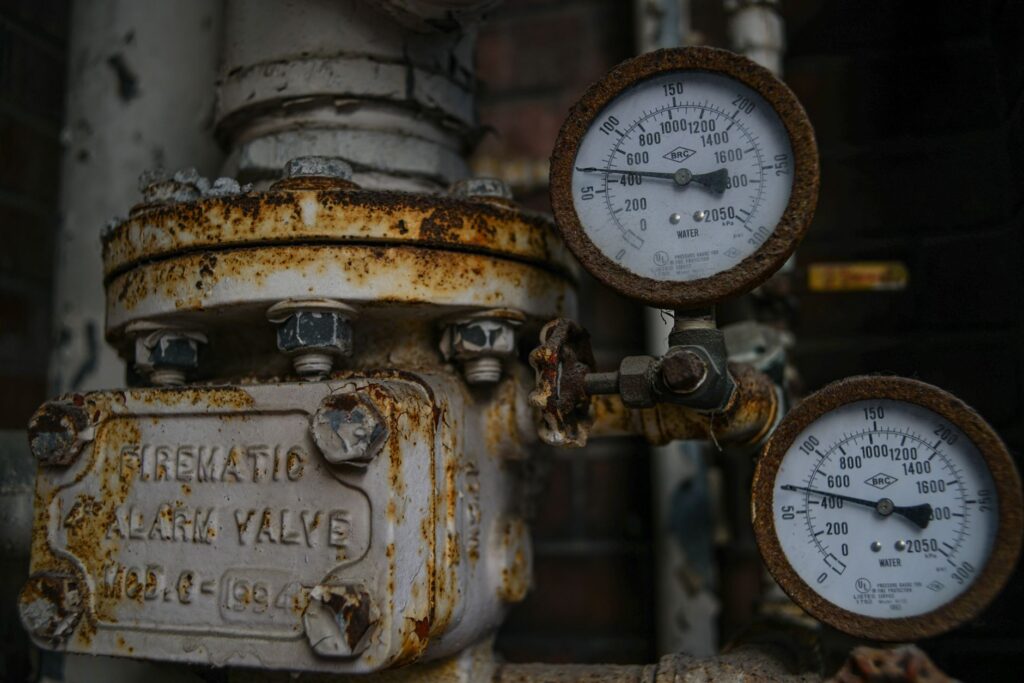
Water damage is one of the most common reasons homeowners file insurance claims. When an indoor plumbing line ruptures unexpectedly, thousands of gallons of water can ruin flooring, drywall, and personal belongings in minutes. Knowing how your policy handles pipe breaks can help you protect your property and avoid costly coverage disputes.
Does homeowners insurance cover water damage from a burst pipe?
Homeowners insurance generally covers water damage from a burst pipe as long as the incident was sudden and accidental. A deductible is an amount you must pay before your company pays, and it will apply to your claim.
Insurance policies are designed to protect against sudden disasters rather than everyday maintenance problems. For example, if a pipe bursts in cold weather, your policy usually covers the resulting repairs as long as you heated your home properly. Similar sudden events, such as a water supply line bursting under your sink or an appliance hose snapping, also qualify for coverage.
Your policy covers the structural damage caused to walls, floors, and ceilings, as well as ruined personal items. However, coverage requires you to report the loss quickly and take steps to stop ongoing water damage. If you delay reporting or ignore safety recommendations, your insurer may refuse to cover the full extent of the loss.
Related reading: What does homeowners insurance cover and not cover? · How much homeowners insurance do I need?
When is water damage from plumbing not covered?
Home policies do not pay for water damage resulting from gradual leaks, neglect, or standard wear and tear. If a leak has continued for long at all, insurers classify it as a maintenance issue rather than an insurable accident.
Damage that develops over more than a couple of days is routinely denied. For instance, a leaky pipe behind a wall or under a floor is not covered, even if you had no way of knowing it started. Other excluded plumbing issues include dripping faucets, cracked foundations, and gaps between building materials that let water seep inside.
Standard policies also exclude damage from groundwater seeping into your home or water from outdoor floods. If a storm causes rising floodwaters to enter your home, your homeowners policy will not cover the damage. You must purchase a separate flood insurance policy to protect against external flooding events.
How do sudden leaks compare to gradual leaks?
The timing and cause of a plumbing leak determine whether your insurer approves or denies your claim. The table below outlines how standard homeowners policies treat different types of water damage scenarios.
| Type of Water Event | Example Scenario | Covered by Homeowners Policy? |
|---|---|---|
| Sudden and accidental leak | A frozen pipe suddenly bursts while the house is properly heated | Yes |
| Sudden appliance failure | A water supply line snaps or a washing machine hose breaks | Yes |
| Gradual hidden leak | A pipe behind a wall slowly leaks over several weeks | No |
| Groundwater or flood | Rising water from an outdoor storm enters the home | No (requires a separate flood policy) |
| Unheated frozen pipe | Pipes freeze and burst because the home was left unheated | No |
Does homeowners insurance cover mold from a burst pipe?
Many homeowner policies offer limited mold coverage, but only if the mold stems directly from a covered loss such as a suddenly burst pipe. If mold develops on an item damaged by a sudden leak, it is typically covered.
Mold can begin growing within a day after a leak occurs, making fast cleanup essential. In contrast, policies will never cover mold caused by gradual leaks, ongoing seepage, or external floodwaters. Because flood damage is excluded, any mold resulting from a flood requires a separate flood policy.
Most standard policies do not include mold testing or cleanup after a damaged item is removed from the house. However, your insurance company may let you purchase additional coverage for mold cleanup caused by a covered loss. If you file a mold claim, you must hire a state-licensed mold professional who will inspect the home and provide a certificate proving the mold was removed.
What should you do immediately after a pipe bursts?
Taking fast action immediately after a pipe burst reduces the destruction inside your home and protects your insurance claim. Follow these essential cleanup steps as soon as you discover a leak:
- Stop the water flow: Turn off your water immediately at the main shutoff valve or at the individual valves under sinks and near appliances.
- Remove standing water: Extract pooled water and dry the area right away to minimize structural damage and prevent mold growth.
- Air out wet belongings: Move wet items into a dry room or an area with fresh air, keeping them in a secure place if you take them outside.
- Pull up flooring: Lift wet carpets and rugs off the floor to help the underlying subfloor dry out.
- Hire professional help: If you cannot dry the area yourself, hire a water damage restoration service to assist you.
How do you file an insurance claim for a burst pipe?
Filing a claim properly ensures you receive the payout you are entitled to under your policy terms. Take the following steps to document your loss and work with your insurer:
- Contact your insurer immediately: Tell your company about the damage as soon as possible, especially if hidden water damage was just discovered.
- Document everything: Take clear photos and videos of the damage, and write a complete list of your damaged property before doing repairs.
- Keep all damaged items: Do not throw away damaged rugs, furniture, or building materials until your insurance adjuster has inspected them.
- Perform temporary repairs: Make small temporary fixes to protect your belongings, such as placing tarps, but do not start permanent repairs until authorized.
- Save your receipts: Keep every receipt for materials and supplies you buy to carry out emergency repairs.
How can you prevent pipe leaks and water damage?
Preventative maintenance helps you identify plumbing problems before they turn into major indoor floods. You can protect your home with several simple and affordable steps:
- Install leak detectors: Place sensors near appliances, under sink drains, and by your water heater, using smart models that send mobile alerts when leaks occur.
- Use silicone mats: Put protective mats with raised lips inside sink cabinets to catch minor leaks before they damage your flooring.
- Inspect appliance lines: Replace standard rubber hoses on washing machines with braided stainless steel hoses, which are far more durable.
- Monitor crawlspaces: Check crawlspaces periodically for signs of dampness, musty smells, sagging insulation, or moisture on vapor barriers.
- Track water consumption: Watch your monthly water bill for sudden, unexplained spikes that could indicate an unseen leak.
- Check plumbing age: Plumbing materials do not last forever, so consult a plumber to check whether older pipes are nearing the end of their lifespan.
Key takeaways
- Homeowners insurance covers burst pipes that occur suddenly and accidentally, including frozen pipes in properly heated homes.
- Standard policies exclude damage from gradual leaks, foundation seepage, maintenance failures, and external flooding.
- Mold damage has limited coverage and is only paid for when it results directly from an approved, covered loss.
- You must report water damage promptly and make temporary repairs to stop further water intrusion.
- Never discard damaged belongings or begin permanent repairs until your insurance adjuster evaluates the property.
Common mistakes to avoid
- Delaying the claim report: Waiting weeks to report hidden water damage can lead to an outright claim denial from your insurer.
- Throwing away damaged property: Discarding ruined carpets or furniture before the insurance adjuster inspects them makes it difficult to get reimbursed.
- Skipping temporary repairs: Failing to stop active leaks or extract water allows mold to spread, which can invalidate your coverage.
- Completing permanent repairs too early: Rebuilding walls or replacing floors before the adjuster views the site can jeopardize your payout.
- Leaving the house unheated in winter: Turning off the heat during freezing weather removes coverage for frozen pipes because heating is a homeowner responsibility.
Frequently asked questions
Are frozen pipes covered if my heat was turned off?
Insurance policies generally cover burst frozen pipes only if you heated your home properly. Failing to maintain heat inside the building is considered a preventable maintenance failure rather than an accident.
Does homeowners insurance pay to replace damaged furniture and carpets?
Yes, personal belongings and items damaged by sudden and accidental water leaks are typically covered under standard policies. Be sure to photograph the damaged rugs and furniture and keep them for the insurance adjuster to inspect.
What happens if a pipe was leaking slowly inside a wall before it burst?
Insurance generally will not cover damage that developed over more than a couple of days or resulted from gradual seepage. Insurers treat slow, ongoing leaks as maintenance problems rather than sudden emergencies.
Can I start permanent repairs right away after a pipe bursts?
No, you should only make temporary repairs to prevent further damage, like stopping the water or putting down tarps. Wait to make permanent repairs until after your insurance company inspects the property.