Homeowners Insurance
What does homeowners insurance cover and not cover?
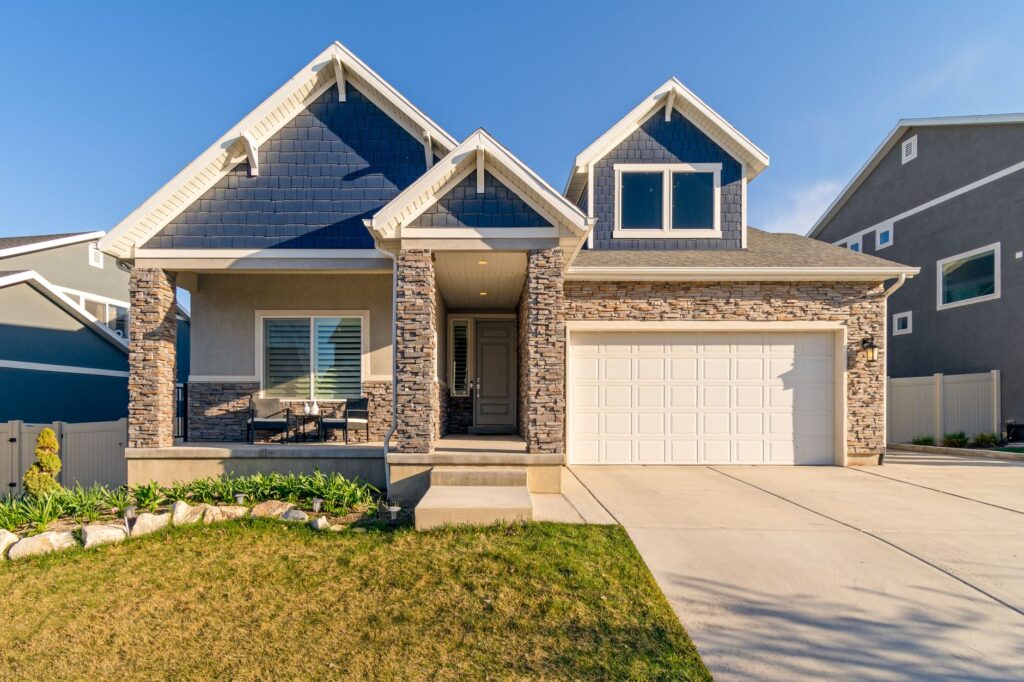
Buying a home is one of the largest financial investments you will ever make. Knowing what homeowners insurance covers and not cover helps you protect your equity and avoid costly out-of-pocket surprises after an emergency. Insurance policies contain precise terms, dollar caps, and standard exclusions that dictate when a claim is paid.
What does homeowners insurance cover on your physical house?
Dwelling coverage pays to repair or rebuild the physical structure of your house if an insured disaster damages or destroys it. Standard policies cover destruction caused by hazards such as fire, lightning, hail, hurricane winds, and other perils listed directly in your policy agreement.
Dwelling coverage extends to permanent fixtures attached to the home, including built-in garages and attached decks. A primary guideline when choosing policy limits is to purchase enough coverage to rebuild your home entirely at current labor and material costs. If you carry a mortgage, your lender will require you to maintain this coverage to protect their financial interest in the property.
Beyond the primary dwelling, standard policies also offer protection for other structures. Coverage for other structures pays to repair or rebuild permanent, unattached structures on your land, such as:
- Detached garages and carports
- Workshops and tool sheds
- Gazebos
- Fences connected to the property
Coverage for these detached buildings is generally set at about 10 percent of the insurance limit you carry on the primary dwelling. If you add outbuildings, operate a home business in them, or rent an unattached structure to a tenant, standard policy limits may not provide adequate protection. You may need to ask your agent or broker for an endorsement to increase your limits.
How does personal property coverage protect your belongings?
Personal property coverage protects your household items, furnishings, and personal belongings if they are stolen or destroyed by an insured disaster. This includes everyday items like your furniture, clothing, dishes, sports equipment, televisions, and home stereo systems.
Personal belongings coverage is generally set at 50 to 70 percent of the insurance amount on your dwelling structure. The best way to evaluate whether this limit is sufficient is to conduct a home inventory and store the list on a backup drive or in a fireproof safe. This coverage also protects your belongings away from home, providing protection anywhere in the world. Some insurers, however, limit off-premises protection to 10 percent of your total personal property coverage amount.
Policies handle claim payouts in two distinct ways, and understanding the difference is critical:
- Replacement cost coverage: This pays to repair or replace your damaged items at today’s retail cost without deducting for age or wear.
- Actual cash value coverage: This pays the cost to repair or replace the property minus depreciation. For example, if a five-year-old television bought for $1,000 burns in a fire, an actual cash value payout gives you only what that used television is worth today.
Standard policies generally insure belongings at actual cash value unless you purchase replacement cost coverage. Additionally, special sub-limits apply to high-value items if they are stolen. Items such as jewelry, furs, art, collectibles, tools, and silverware have strict reimbursement caps. To protect these items up to their full worth, you must purchase a personal property endorsement, also known as a floater, based on an official appraisal.
Standard policies also provide limited protection for credit cards, offering up to $500 if someone makes unauthorized charges on a stolen card. Limited protection is also included for debris removal and trees, shrubs, or plants, generally paying around $500 per plant. However, policies never cover plants that die from disease or lack of proper maintenance.
What liability and medical costs does a policy pay?
Liability protection covers you against lawsuits for bodily injury or property damage that you, your household family members, or your pets cause to other people. It pays both the legal costs of defending you in court and any court-ordered settlements or awards up to the limits in your policy.
Liability coverage applies both on and off your premises. For example, if a family member damages property at another location, your policy can cover the costs. It also handles pet incidents, such as your dog ruining a neighbor’s expensive rug. However, liability only applies to third parties. If your child or pet damages your own carpet or furniture, your policy will not reimburse you.
Liability limits generally start at $100,000, though higher limits are often available. If you have substantial assets and need broader protection than a standard policy allows, you can buy an umbrella or excess liability policy. An umbrella policy extends your liability limits well beyond basic policy caps.
Standard policies also include no-fault medical coverage for visitors. This pays medical bills if a guest is accidentally injured on your property with your permission, such as slipping on a loose deck railing. Medical limits usually start at $1,000. Injured guests can submit bills directly to your insurer without filing a formal lawsuit against you. This coverage never pays medical expenses for you, your resident family members, or your family pets.
When do policies pay for additional living expenses?
Additional living expenses (ALE) coverage, also called loss of use, pays the extra costs of living away from home while your property is repaired or rebuilt after a covered disaster. It pays for hotel bills, apartment rent, restaurant dining, laundry fees, and increased driving mileage that exceed your normal day-to-day household budget.
ALE coverage is subject to specific caps, which are listed on your policy’s declarations page. Most policies cap ALE at 10 to 20 percent of your dwelling coverage limit, and some contracts impose a 12-month time limit. For example, if your house is insured for $200,000 and your policy includes 10 percent ALE, you have up to $20,000 available. If you exhaust this amount before repairs are complete, you must pay remaining living expenses out of your own pocket.
ALE limits remain completely separate from the funds used to rebuild your house. Using up your living expense allowance does not decrease the amount available to reconstruct your home. Furthermore, if you rent out a portion of your residence, ALE reimburses the fair rental income you lose while the damaged rental space is uninhabitable.
ALE applies strictly when physical damage from an insured disaster makes your home unlivable. If a regional power outage leaves you without electricity, but your house suffers no covered physical damage, ALE will not reimburse your hotel or food receipts. Additionally, standard flood policies purchased through the National Flood Insurance Program (NFIP) do not include ALE benefits.
What does homeowners insurance not cover?
Standard homeowners insurance policies explicitly exclude several severe perils and routine maintenance problems from their basic terms. Understanding these exclusions ensures you do not face sudden financial exposure following an unlisted disaster.
Common exclusions found in standard homeowners policies include:
- Flooding and surface water: Standard policies never cover flood damage. Homeowners must buy flood coverage separately through private carriers or the National Flood Insurance Program.
- Earth movement: Damage caused by earthquakes, landslides, mudslides, and sinkholes is excluded. Homeowners can buy difference in conditions coverage or standalone earthquake policies to bridge this gap.
- Wear and tear: Gradual deterioration, neglected maintenance, mechanical breakdown, and normal aging are the property owner’s responsibility.
- Pests and biological hazards: Policies do not cover termite infestations, vermin damage, rot, or mold removal.
- Sewer backups: Damage resulting from backed-up municipal sewers or failed sump pumps is excluded unless you buy an optional sewer backup endorsement.
- Foundation repairs: Standard policies exclude structural settling and general foundation repairs.
- Coastal windstorms: If you live in high-risk coastal zones, such as the Texas coast, your primary policy may exclude wind and hail damage, requiring a standalone windstorm policy like one from the Texas Windstorm Insurance Association (TWIA).
How do all-risk and named perils policies differ?
The extent of your property protection depends heavily on whether your contract is written as an all-risk policy or a named perils policy. An all-risk policy, also known as an open perils policy, covers every disaster unless it is specifically listed as an exclusion. In contrast, a named perils policy covers only the specific disasters itemized in the contract.
Because all-risk policies provide broader financial protection, mortgage lenders usually require borrowers to carry them. Named perils policies are generally cheaper, but they leave gaps because any unlisted disaster is automatically excluded. Some named perils contracts cover several broad hazards like fire, lightning, explosion, theft, and vandalism, while others cover only a single catastrophic risk like earthquakes or floods.
| Policy Feature | All-Risk (Open Perils) Policy | Named Perils Policy |
|---|---|---|
| Scope of Peril Coverage | Covers all causes of loss except those specifically excluded in writing. | Covers only the explicit events named in the policy contract. |
| Common Exclusions | Standard exclusions include floods, earthquakes, termites, mold, and wear and tear. | Any hazard not explicitly written into the policy list is completely excluded. |
| Relative Premium Cost | Higher cost due to comprehensive, broad-spectrum property protection. | Cheaper premium options, but provides limited protection against fewer hazards. |
| Mortgage Requirement | Generally required by mortgage lenders when you owe money on the house. | Rarely accepted alone by lenders for primary mortgage financing. |
Beyond standard homes, insurers offer specialized policy variations for different dwellings. Farm or ranch policies cover dwellings alongside livestock, but require separate policies for crops and offer actual cash value coverage unless replacement cost terms are requested. Mobile home policies cover manufactured structures, their contents, theft, and basic liability under specialized terms.
Key takeaways
- Standard policies package four key coverages: dwelling structures, personal property, personal liability, and additional living expenses.
- Natural hazards like earthquakes, floods, landslides, and sinkholes are strictly excluded from basic coverage and require specialized insurance or endorsements.
- Personal belongings are often covered on an actual cash value basis; you must specifically select replacement cost coverage to avoid depreciation deductions.
- Valuable items such as jewelry, art, and silverware face low theft limits unless scheduled under an appraised personal property endorsement.
- Additional living expenses reimburse food and temporary housing up to 10 to 20 percent of your dwelling limit, but only if covered damage makes the home uninhabitable.
Common mistakes to avoid
- Assuming flood and earthquake damage are covered: Standard policies exclude both risks. Relying on basic coverage leaves you fully responsible for repair costs unless you buy standalone flood or earthquake policies.
- Letting your insurance policy lapse: If your coverage drops, your mortgage lender can purchase expensive lender-placed insurance at your expense to protect their investment.
- Failing to endorse high-value items: Standard theft sub-limits on jewelry, collectibles, and silverware are modest. Without an appraised personal property floater, you cannot recover their full value.
- Underestimating rebuilding expenses: Setting your dwelling limit below the actual replacement cost of your home can leave you without enough money to rebuild after a catastrophic loss.
Frequently asked questions
Does homeowners insurance pay if a power outage ruins your food?
Additional living expenses will not pay if you leave your house due to a power outage when your home suffered no physical damage. However, some policies may provide limited help for spoiled food or power loss under specific property coverage terms.
Does homeowners insurance cover your dog damaging your own property?
No, liability coverage only pays for damage your pets cause to other people or their property. If your dog ruins your neighbor’s carpet, the policy can cover it, but it will not pay if your dog destroys your own rug.
Are personal items covered when you travel away from home?
Yes, standard personal property coverage protects items stored off-premises anywhere in the world. Some insurance companies place a limit on off-premises items, capping protection at 10 percent of your total personal belongings limit.
Why does a mortgage lender require you to carry homeowners insurance?
Lenders require property insurance to protect their financial investment in your home. If your coverage lapses or you fail to buy a policy, your bank can purchase an expensive lender-placed insurance policy at your expense.