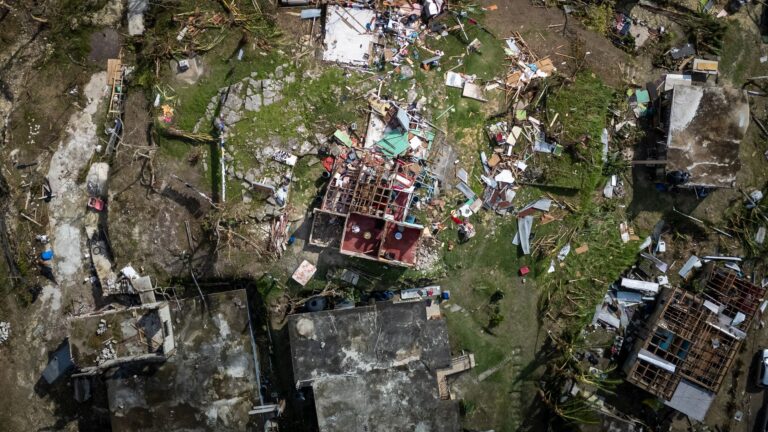
Natural Disasters
Do I need earthquake insurance?
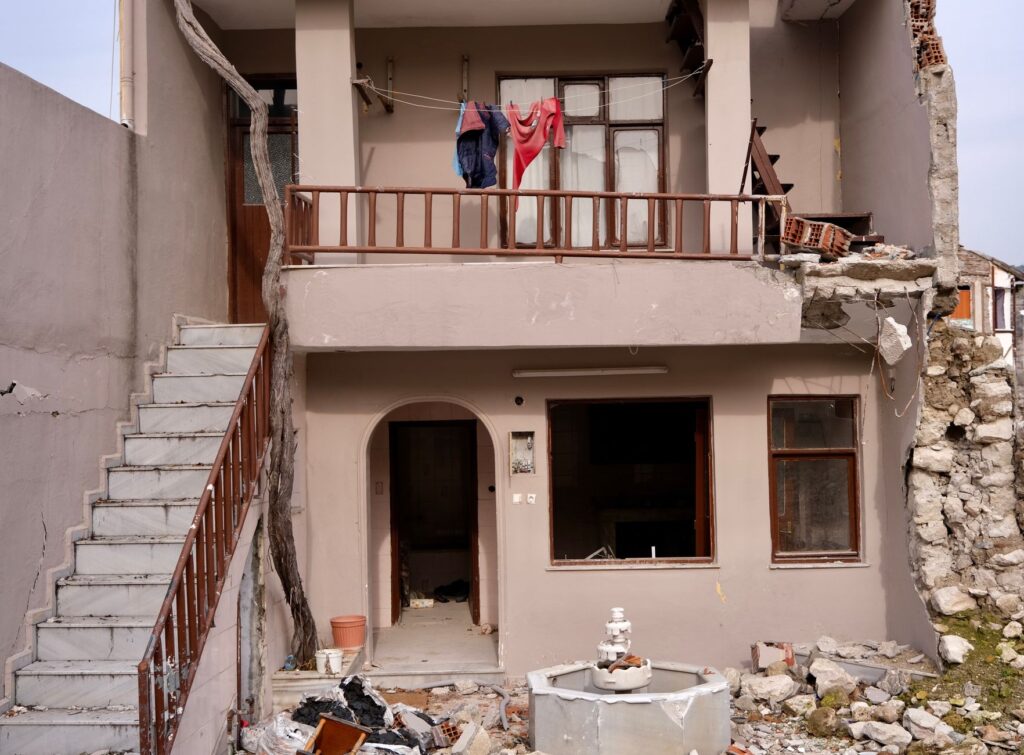
Earthquakes strike suddenly, causing severe structural damage that can collapse exterior walls, crack foundations, and ruin personal possessions. Because regular property insurance excludes seismic events, a single tremor can leave you with devastating repair bills. Evaluating your financial resilience and regional hazard level will help you decide if you need earthquake insurance.
How do you determine whether you need earthquake insurance?
Deciding if you need earthquake insurance requires an honest evaluation of your personal finances and your home’s vulnerability. You should consider whether you have enough funds to repair severe structural collapse or entirely rebuild your home after a major tremor. In addition, you must calculate whether you can independently replace your furnishings and pay for months of temporary rent while repairs take place.
Geographic risk plays a major role in this decision. A 2014 U.S. Geological Survey report found that 42 states have a reasonable chance of experiencing a damaging earthquake. The 16 states facing the highest risk are:
- Alaska, California, Hawaii, Oregon, and Washington in the West and Pacific
- Idaho, Montana, Nevada, Utah, and Wyoming in the Mountain West
- Arkansas, Illinois, Kentucky, Missouri, and Tennessee in the Central United States
- South Carolina on the East Coast
Even if you live outside these regions, seismic hazards can exist. Certain parts of the country, such as Oklahoma, have experienced increased seismic activity due to oil drilling efforts. Conversely, only eight states have hazard levels that are not considered significant: Florida, Iowa, Kansas, Louisiana, Michigan, Minnesota, North Dakota, and Wisconsin. If you are buying a home in a quake-prone region, checking insurance rates early helps you understand the true cost of owning that property.
Related reading: What is a hurricane deductible? · Does homeowners insurance cover flood damage?
Does standard homeowners insurance cover earthquake damage?
Standard homeowners and renters policies do not cover ground shaking or earth movement. A policy limit is the maximum amount of money an insurance company will pay for a covered loss, but standard limits do not apply to structural shaking or cracked foundations caused by a quake. To protect against these perils, you must purchase a dedicated policy or an endorsement, which is an amendment or addition that alters the coverage of a standard policy.
However, your standard policy will provide certain protections following a seismic event. In most states, standard home and business policies cover direct losses caused by fire following an earthquake, as well as water damage caused by burst gas and water pipes. If a fire triggered by a quake makes your house unlivable, standard insurance will generally cover additional living expenses while you stay elsewhere during repairs.
Vehicles require separate consideration. Cars, trucks, and other vehicles damaged during an earthquake are covered under the optional comprehensive portion of an auto insurance policy. Comprehensive auto coverage also protects against theft, flood, and hurricane damage.
What does earthquake insurance cover and exclude?
Earthquake insurance is specifically designed to restore your dwelling and cover the costs that arise when a tremor damages your life. It pays for damages that exceed your policy deductible, helping you clear debris and replace what was lost inside the structure.
Typical earthquake policies include coverage for:
- Structural repairs to your home and attached fixtures
- Damage to your personal property and household belongings
- Debris removal around the insured property
- Extra living costs incurred while you wait for repairs or rebuilding
- Higher construction costs needed to meet current building codes (optional or included depending on the policy)
- Costs to stabilize the land beneath your home (available in select policies)
- Unattached structures on your land, such as detached garages or sheds
At the same time, earthquake policies come with strict exclusions that you must watch for. A policy does not cover:
- Fire damage, which is handled under your standard home policy
- The value of your raw land
- Vehicles, which must be insured through an auto policy
- Pre-existing structural damage that happened before the earthquake occurred
- Water damage originating from outside your home
- Land movement separate from direct quake shaking, including landslides, settling ground, mudflows, earth rising, and contracting
- Floods, tidal waves, or tsunamis, even when triggered by a major quake
How do earthquake insurance deductibles and costs work?
A premium is the amount of money you pay regularly to keep your insurance policy active, and an earthquake deductible is the amount you must pay toward a loss before the insurer begins paying. Unlike typical home insurance deductibles that require a flat dollar payment, earthquake deductibles are calculated as a percentage of the replacement value or coverage limit of the structure.
Across the industry, earthquake deductibles typically range from 2 percent to 20 percent of the replacement value of the home, with many standard plans falling between 5 and 15 percent. For example, if your home costs $100,000 to rebuild and your policy carries a 2 percent deductible, you must pay $2,000 out of pocket before coverage starts. In states with higher-than-average earthquake risks, such as Washington, Nevada, and Utah, insurers often establish minimum deductibles of around 10 percent. Some policies also impose separate deductibles for the primary building, personal property, and detached structures like retaining walls or sheds.
Earthquake premiums are calculated on a per-$1,000 basis and vary depending on location, building age, and building materials. Older properties generally cost more to insure than modern homes, and wood-frame buildings secure lower rates than brick properties because wood bends more easily under seismic stress. The following table illustrates how rates and deductibles compare across structure types and regions based on source data:
| Construction & Location | Approximate Premium Rate | Typical Deductible Range | Key Cost Factors |
|---|---|---|---|
| Wood-Frame (Pacific Northwest) | $1.00 to $3.00 per $1,000 of coverage | 10% to 25% (Min. around 10% in high-risk states) | Flexible wood framing lowers structural collapse risks. |
| Brick Structure (Pacific Northwest) | $3.00 to $15.00 per $1,000 of coverage | 10% to 25% | Rigid masonry is far more susceptible to severe cracking and collapse. |
| Wood-Frame (East Coast) | Less than $0.50 per $1,000 of coverage | 2% to 15% | Lower frequency of localized seismic events reduces base rates. |
| Brick Structure (New York) | $0.60 to $0.90 per $1,000 of coverage | 2% to 15% | Moderate risk combined with masonry construction costs. |
What should you know about buying coverage in California?
California faces severe earthquake exposures; eight of the ten costliest earthquakes in the last century occurred in the state. In response to the 1994 Northridge earthquake—a magnitude 6.7 disaster that produced $32.2 billion in insured losses (in 2023 dollars) and severely disrupted the private insurance market—the state legislature created the California Earthquake Authority (CEA) in 1996. The CEA is a publicly managed, largely privately funded, not-for-profit entity that provides approximately two-thirds of the residential earthquake insurance policies sold in the state.
California law requires homeowners insurance companies to offer earthquake coverage to their policyholders, though homeowners are free to accept, decline, or purchase coverage elsewhere. The CEA offers deductibles ranging from 5 percent to 25 percent in 5 percent increments. The organization provides distinct coverage structures for different residents:
- Homeowners: Two plans are offered: Standard and Choice. The standard policy covers the dwelling, attached structures like an attached garage, building code upgrades, emergency repairs, up to $200,000 for personal property, and up to $100,000 for additional living expenses. The Choice policy adds coverage for exterior masonry veneer and breakables like glassware and china. Detached garages and pools are not covered.
- Mobile and Manufactured Homes: Similar coverage to standard homeowners plans, but excludes exterior masonry veneer.
- Condominium Owners: Covers interior unit property (such as windows) up to $100,000, personal property including loss of use up to $200,000, emergency repairs, and loss assessments levied by homeowners associations.
- Renters: Provides personal property limits up to $200,000, additional living expenses up to $100,000, emergency repairs, and coverage for breakables.
What requirements do insurers have before issuing a policy?
Insurers do not always issue coverage automatically upon request. Many private earthquake insurers require a property inspection before agreeing to bind a policy. They want to ensure the building is sound and can withstand basic tremors without collapsing.
To qualify for coverage or earn lower premium options, insurers may require you to perform structural mitigation steps, including:
- Bolting your home directly to its concrete foundation
- Bracing interior cripple walls or living area walls
- Using strapping guards to secure water heaters and fixtures to the wall studs
Additionally, you cannot wait until a tremor begins to look for coverage. Following an earthquake, insurance carriers typically impose a temporary moratorium or waiting period, during which you cannot buy new earthquake insurance. Reviewing your requirements in advance ensures your property remains eligible.
Key takeaways
- Standard home and renters insurance policies exclude earthquake damage, but they generally cover subsequent fires and burst pipes.
- Deductibles are set as a percentage of your property coverage limit (usually 2% to 25%) rather than a flat dollar amount.
- Earthquake insurance is sold by private carriers across most states, while California residents can also purchase coverage through the California Earthquake Authority (CEA).
- Earthquake policies exclude vehicles, general land value, external water damage, and landslides.
- Insurers often require inspections or safety upgrades—like bolting homes to foundations—before approving coverage.
Common mistakes to avoid
- Assuming your standard policy covers quakes: Many homeowners assume basic coverage includes seismic damage, only to learn after a disaster that all shaking damage is excluded.
- Waiting until a fault shakes to buy a policy: Insurers establish strict waiting periods right after an earthquake strikes, leaving uninsurable gaps if you wait too long.
- Overlooking percentage deductibles: Budgeting for a standard $500 or $1,000 deductible causes severe financial shock when a 10 percent deductible requires tens of thousands of dollars out of pocket.
- Neglecting vehicle coverage: Forgetting to add comprehensive coverage to your auto insurance policy leaves your vehicle completely unprotected against falling debris and seismic damage.
Frequently asked questions
Can I buy earthquake insurance immediately after an earthquake occurs?
Usually, no. After an earthquake strikes, insurance providers typically enforce a waiting period before allowing property owners to purchase a new policy.
Does earthquake insurance cover damage if an earthquake triggers a tsunami or flood?
Earthquake policies generally do not cover floods, tidal waves, or tsunamis, even if an earthquake caused them. You should review your policy documents and consult your agent about separate flood protection.
Why are brick homes more expensive to insure against earthquakes than wood homes?
Wood-frame homes flex and withstand seismic stresses better during a tremor. Brick structures are more vulnerable to collapse and structural cracking, which leads insurers to charge higher rates.
How does an earthquake deductible differ from a standard homeowners deductible?
Standard home insurance deductibles are usually fixed dollar amounts, whereas earthquake insurance deductibles are calculated as a percentage of your total coverage limit, typically ranging from 5 to 25 percent.