Natural Disasters
What is a hurricane deductible?
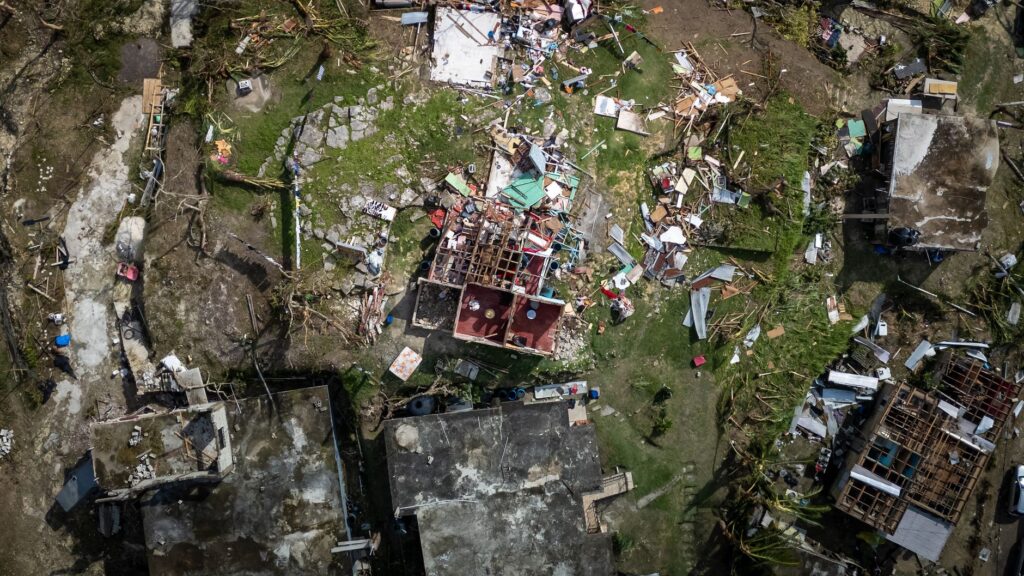
Living near the coast exposes your property to severe weather during the Atlantic hurricane season, which lasts from June to November. When a storm strikes, the out-of-pocket costs to repair your home can be significantly higher than with standard property claims. Understanding what a hurricane deductible is helps you prepare your finances and avoid unexpected expenses after a natural disaster.
How does a hurricane deductible work?
A deductible is the amount of loss paid by the policyholder before insurance kicks in. Traditional homeowners policies rely on dollar deductibles, which are fixed flat dollar amounts such as $500 or $1,000 for perils like fire or theft. For example, with a $500 standard deductible, you pay the first $500 of a claim out of pocket, and your insurer covers the remaining covered loss.
In contrast, a hurricane deductible is almost always a percentage deductible. A percentage deductible is calculated as a specified percentage of the insured value of the property, not the dollar amount of the damage. In most cases, these deductibles range from 1 percent to 5 percent of the home’s insured value, though they can be higher in coastal areas with high wind risk.
To see how this works, imagine your home is insured for $300,000 and your policy includes a 5 percent hurricane deductible. In this scenario, you must pay the first $15,000 of a hurricane claim out of pocket before your insurance company pays anything. The exact details and dollar amounts of your coverage are spelled out on your policy declarations page, which summarizes your coverage limits.
Related reading: Does homeowners insurance cover flood damage?
What is the difference between hurricane and windstorm deductibles?
Insurers generally separate wind damage into two different deductible categories depending on the cause of the loss. A hurricane deductible applies to damage caused solely by hurricanes, while a windstorm or wind/hail deductible applies to any type of wind damage, such as gale-force winds or severe thunderstorms.
Whether you have a hurricane deductible, a windstorm deductible, or a standard deductible depends on your location, your insurer, and state insurance regulations. In less vulnerable areas, policyholders may have optional deductibles, meaning they can opt for a higher deductible to lower their annual premium. In high-risk coastal zones, mandatory deductibles set by state law or insurance rules may require all homeowners to carry percentage deductibles.
| Deductible Type | How It Is Calculated | When It Applies |
|---|---|---|
| Standard Homeowners Deductible | Flat dollar amount (for example, $500 or $1,000) | Everyday losses such as fire, lightning, or theft |
| Hurricane Deductible | Percentage of insured value (typically 1% to 5%) | Wind damage resulting solely from a declared hurricane |
| Windstorm or Wind/Hail Deductible | Percentage of insured value or flat dollar amount | Any wind or hail event, regardless of whether it is a hurricane |
What triggers a hurricane deductible?
A trigger is an event that is needed for a hurricane deductible to be applied instead of your standard deductible. Hurricane deductibles do not apply to every windy day; they are activated only when specific weather conditions defined by state law or your insurer are met. The National Weather Service (NWS) plays a central role in these triggers.
A deductible may be triggered when the National Weather Service names a tropical storm, declares a hurricane watch or warning, or measures a specific storm intensity. Triggers also include a timing factor that defines the start and end of the deductible period. Common timing rules activate the deductible within 24 hours before a storm is named or makes landfall, extending up to 72 hours after the storm is downgraded or the watch is canceled.
Trigger rules vary significantly across different states:
- Connecticut: By law, the deductible is triggered when the National Weather Service declares a hurricane that records winds of 74 miles per hour or more anywhere in Connecticut. It remains in effect until 24 hours after the last warning ends or 24 hours after the storm is downgraded.
- Florida: Florida statute dictates that hurricane deductibles are triggered by windstorm losses resulting only from an NWS-declared hurricane. The deductible applies from the issuance of a watch or warning anywhere in the state, up to 72 hours after it ends, or anytime hurricane conditions exist statewide.
- Delaware: Under the Delaware FAIR Plan, the deductible is triggered when the National Hurricane Center declares a hurricane watch or warning for any part of the state and ends 72 hours after the final watch or warning terminates.
Which states have hurricane deductibles?
Nineteen states and the District of Columbia currently have hurricane deductibles in place. These jurisdictions span the Atlantic and Gulf coasts, as well as the Hawaiian islands. State insurance departments review and regulate these deductible plans to ensure they comply with local laws.
The states that permit or mandate hurricane deductibles include:
- Alabama
- Connecticut
- Delaware
- Florida
- Georgia
- Hawaii
- Louisiana
- Maine
- Maryland
- Massachusetts
- Mississippi
- New Jersey
- New York
- North Carolina
- Pennsylvania
- Rhode Island
- South Carolina
- Texas
- Virginia
- Washington, D.C.
Regulations vary widely across these states. For instance, in Florida, state law requires all insurers to offer deductible choices of $500, 2 percent, 5 percent, and 10 percent of the policy dwelling limits. Furthermore, Florida law mandates that the hurricane deductible applies only once during a single hurricane season. In Hawaii, most standard homeowners policies exclude hurricane coverage altogether, requiring residents to purchase separate policies from specialized insurers.
If you cannot find coverage in the private market, state-run residual market pools provide alternative options. These insurers of last resort include Beach Plans, which operate in specific coastal territories, and FAIR (Fair Access to Insurance Requirements) Plans, which generally operate statewide. Additionally, Market Assistance Plans (MAPs) serve as voluntary referral systems to help consumers connect with private insurers willing to write coverage.
Why did insurers introduce hurricane deductibles?
Insurers introduced percentage deductibles after major catastrophes caused unprecedented financial damage. In 1992, Hurricane Andrew demonstrated that hurricane losses could be vastly higher than the insurance industry had estimated. In 2005, Hurricane Katrina confirmed those concerns by costing insurers more than $41 billion at the time.
These massive financial losses severely impacted reinsurance companies, which are specialty insurers that share the cost of claims with primary insurance companies. Reinsurers warned that they could not assume unlimited risk from catastrophic storms and required primary homeowners insurers to reduce their exposure. Because rapid development along Atlantic and Gulf coasts placed more homes in harm’s way, insurers shifted from flat dollar deductibles to percentage deductibles to manage their risk of insolvency.
To help policyholders lower their premiums, some states mandate storm-mitigation discounts. In Alabama, state law requires insurers to offer discounts to homeowners who strengthen their properties against wind damage, such as retrofitting to fortified standards certified by the Insurance Institute for Business & Home Safety (IBHS). Florida similarly requires property insurance rate filings to include mitigation discounts or credits for personal residential properties.
How do claims work when a hurricane damages your home?
When filing a claim after a storm, your homeowners policy covers wind damage to the residence premises, which includes your home, attached structures like garages or decks, unattached structures like sheds or pools, and personal contents. If your home becomes uninhabitable due to covered wind damage, standard policies provide additional living expenses (ALE). This coverage pays costs over and above your normal living expenses, typically up to 20 percent of your dwelling coverage.
It is critical to distinguish wind damage from flood damage. Standard homeowners, condo, and renters insurance policies do not cover flood damage, including storm surges caused by hurricanes. A flood is officially defined as an overflow of inland or tidal waters causing temporary inundation of two or more acres and two or more properties of normally dry land. To protect against storm surge, you must buy a separate policy from the National Flood Insurance Program (NFIP) or a private flood insurer.
If your property is damaged, take preventive steps immediately. Most policies require you to make reasonable temporary repairs to prevent further damage, such as covering a damaged roof with tarps or boarding broken windows. Insurance companies will reimburse you for these reasonable expenses, so keep all receipts. If power failure causes food spoilage, some insurers provide coverage ranging from $250 to $500 per appliance.
Key takeaways
- Hurricane deductibles are usually percentage deductibles based on your home’s total insured value, typically ranging from 1 to 5 percent.
- These deductibles apply only when a specific trigger occurs, such as a named tropical storm or an NWS hurricane watch or warning.
- Nineteen coastal states and Washington, D.C. have hurricane deductibles in place.
- Hurricane deductibles cover wind damage, but they never cover water damage from storm surge or flooding.
- You can check your declarations page or contact your state insurance department to find your exact deductible rules and amounts.
Common mistakes to avoid
- Assuming your deductible is a flat dollar amount: Believing you only owe a $500 deductible can cause severe financial shock when a 5 percent deductible on a $300,000 home requires $15,000 out of pocket.
- Failing to file claims below the deductible: Skipping a claim because initial damage seems low can backfire, as hidden damage may appear later or the initial repair costs could count toward your seasonal deductible limit.
- Confusing wind damage with flood damage: Relying on homeowners insurance to pay for storm surge damage leaves you unprotected, as surge is classified as flooding and requires a separate flood policy.
- Throwing away temporary repair receipts: Failing to save receipts for tarps, plywood, and emergency supplies means your insurer cannot reimburse you for required mitigation steps.
- Neglecting diseased or dead trees: If your unmaintained tree falls on a neighbor’s property, their insurer may pursue you for reimbursement through a legal process called subrogation.
Frequently asked questions
Does a hurricane deductible apply to flood or storm surge damage?
No, a hurricane deductible applies only to wind damage from a storm. Standard homeowners insurance does not cover flood damage or storm surges, which require a separate flood insurance policy from the National Flood Insurance Program (NFIP) or a private insurer.
Should you file an insurance claim if damage is lower than your deductible?
Yes, you should always file a claim if you sustain hurricane damage. Hidden damage may become apparent months later, and payments made on an initial storm may count toward your annual hurricane deductible if another storm hits in the same season.
Can you choose a flat dollar deductible instead of a percentage?
In some states and less vulnerable areas, insurers may allow you to pay a higher premium in exchange for a traditional dollar deductible. In high-risk coastal zones, insurers may not offer this option, making percentage deductibles mandatory.
How do you find your exact hurricane deductible amount?
You can find your specific deductible amount and terms on the declarations page of your homeowners insurance policy. This document spells out whether your deductible is a flat dollar amount or a percentage of your dwelling’s insured value.