Pet & Travel Insurance
Does pet insurance cover pre-existing conditions?
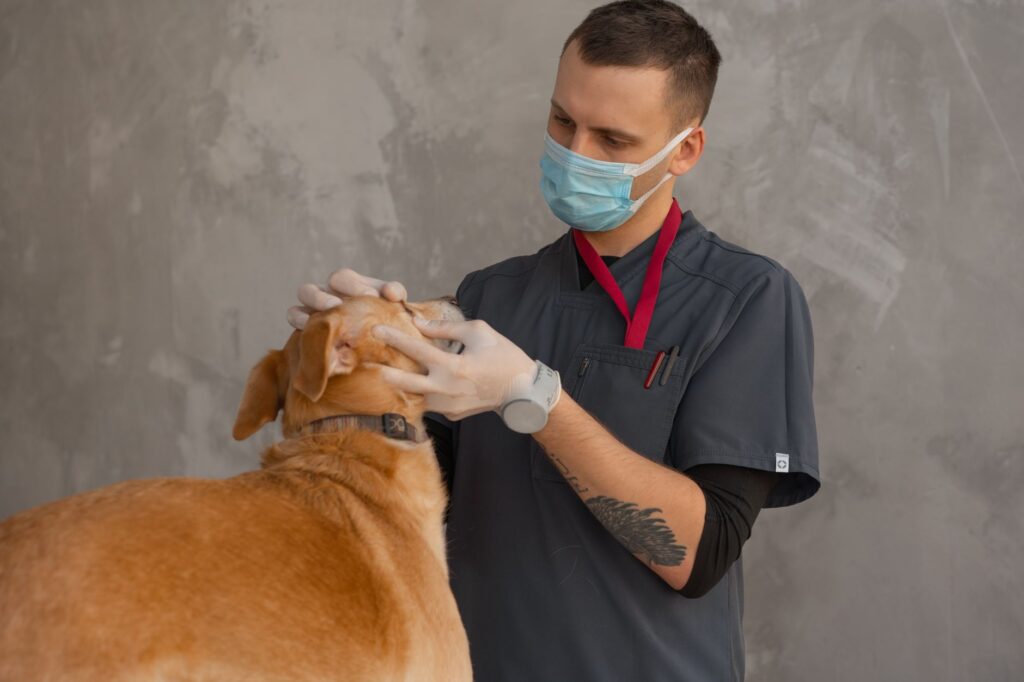
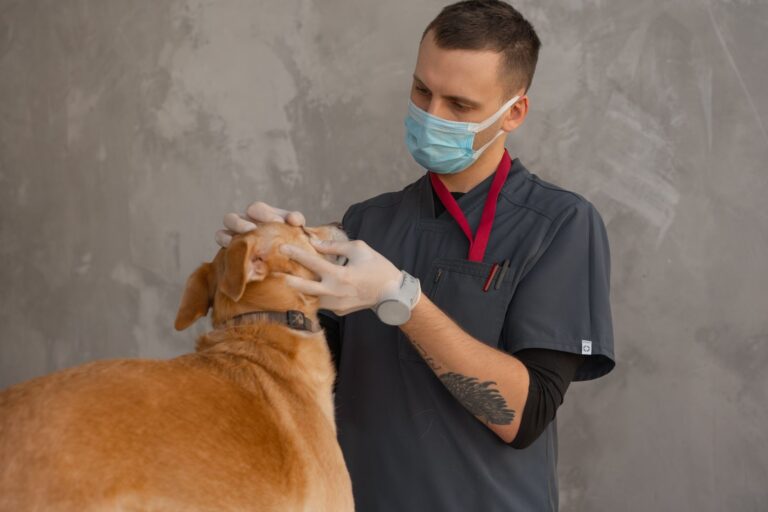
Veterinary bills can rise quickly if your dog, cat, or other pet experiences an emergency or develops a severe medical issue. Many owners seek protection only after their companion receives a medical diagnosis, which can lead to unexpected denials. Understanding how insurers evaluate previous illnesses is essential before choosing a policy for your animal.
Does pet insurance cover pre-existing conditions?
Most pet insurance plans do not cover pre-existing conditions that your animal developed before purchasing a policy. A pre-existing condition is any injury, illness, or medical issue that began before the start date of your policy or during an initial waiting period.
The Texas Department of Insurance points out that pre-existing conditions are rarely covered, making it critical to buy a policy before your pet gets sick or hurt. If an animal has a known medical problem, claims related to that specific issue are generally denied. Because of this restriction, coverage is designed primarily to protect against unexpected medical events that occur in the future.
At the same time, policy details vary by company. The Washington state Office of the Insurance Commissioner notes that you should review your policy carefully, because some insurers will cover certain hereditary and medical conditions. In some cases, severe conditions such as cancer or diabetes may be excluded entirely from the policy, or they may receive only limited coverage depending on the contract language.
Related reading: How much does pet insurance cost for dogs and cats? · Is pet insurance worth it?
How do waiting periods and veterinary exams work?
Insurers often establish mandatory requirements before any medical coverage takes effect. A waiting period is a designated amount of time following policy purchase during which the insurer will not pay for medical claims.
The Washington state Office of the Insurance Commissioner notes that an insurer may enforce a waiting period before coverage kicks in for pre-existing conditions. If your pet shows symptoms or is diagnosed with an illness during this initial window, the condition may be permanently excluded from future coverage. Understanding the length of these waiting periods helps ensure you know when your pet is actually protected.
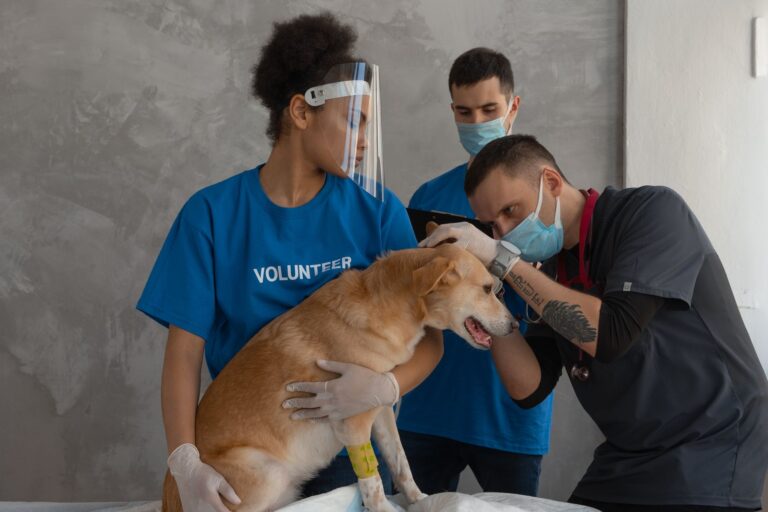
In addition to waiting periods, some insurance providers require a complete medical baseline before issuing coverage. An insurer may require that a licensed veterinarian examine your pet to certify its health status before approving a policy. This certification creates an official medical record that insurers use to determine which conditions are pre-existing and which are eligible for future claims.
How are hereditary and breed-specific conditions handled?
Many pet insurance companies place strict rules or restrictions on health conditions associated with specific breeds. A hereditary condition is a disease or genetic issue passed down from an animal’s parents, such as hip dysplasia in certain dogs.
The Triple-I (Insurance Information Institute) notes that some insurers will not cover certain animal breeds that are prone to hereditary conditions. Other insurers may sell coverage for these breeds but limit benefits for treatment, charge significantly higher premium rates, or refuse to write policies for them altogether. The Texas Department of Insurance confirms that coverage limits and pricing variations for specific breeds differ widely across companies.
Similarly, congenital conditions—which are medical abnormalities present from birth—may also be excluded or granted only limited benefits under standard plans. When shopping for insurance, review the policy terms for exclusions related to:
- Breed-specific hereditary illnesses (such as hip dysplasia)
- Congenital medical defects
- Behavioral problem treatments
- Elective medical procedures
- Dental care not associated with an accident or injury
What are the different levels of pet health coverage?
Pet insurance is available at multiple coverage levels to fit different budgets and healthcare needs. The type of policy you select determines what medical services are reimbursed and what limits apply.
According to the Triple-I, pet health insurance policies typically fall into three distinct tiers of care. Basic coverage is the least expensive option and provides the lowest reimbursements, helping pay for accidental injuries, poisonings, and illnesses, including cancer. Comprehensive coverage costs more but offers broader benefits, including reimbursements for office visits, diagnostic tests, lab fees, prescriptions, x-rays, and emergencies. Pet well care protection reimburses for routine preventive care, such as physical exams, vaccinations, and flea and heartworm prevention.
| Coverage Level | What It Typically Covers | Cost and Deductible Profile | Coverage Limitations |
|---|---|---|---|
| Basic Coverage | Accidental injuries, poisonings, and illnesses (including cancer). | Least expensive premium; features an annual deductible. | Lowest reimbursement rates; caps apply per accident, per illness, and per term. |
| Comprehensive Coverage | Accidents, illnesses, emergencies, office visits, prescriptions, diagnostic tests, x-rays, and lab fees. | Costlier premium; lower annual deductible than basic plans. | Generous benefits, but still subject to reimbursement caps per incident, per illness, and per term. |
| Pet Well Care Protection | Preventive care, routine physical exams, vaccinations, and flea and heartworm prevention. | Add-on or separate protection; no deductible for well care services. | Applies a nominal deductible for other medical services; does not replace major medical coverage. |
How do reimbursements, deductibles, and policy limits work?
Pet insurance generally operates on a reimbursement model rather than paying veterinary clinics directly. Under most plans, you pay the veterinary bill out of pocket when care is delivered, submit a claim form to your insurer, and receive reimbursement for the covered portion.
A deductible is the dollar amount you must pay out of pocket before the insurer begins paying its share. A copay is the percentage or portion of the covered bill that remains your responsibility. According to the Texas Department of Insurance, pet insurance plans usually reimburse between 70 percent and 90 percent of the bill for covered services. Some plans also allow you to use any licensed veterinarian, though others require you to use an approved network of providers.
Before buying a policy, you should check how the company caps its financial liability. The Washington state Office of the Insurance Commissioner advises pet owners to find out if the policy limits payouts in one of three ways:
- Per-incident limits: The maximum dollar amount the policy pays for a single injury, illness, or emergency event.
- Yearly limits: A cap on the total dollar amount the insurer will reimburse across all claims during a single policy year.
- Lifetime limits: The maximum cumulative payout allowed over the entire span of your animal’s life.
How do veterinary discount plans differ from pet insurance?
When shopping for coverage, pet owners often encounter veterinary discount plans, which are not insurance policies. Understanding the legal and operational differences between these options is critical to avoid major out-of-pocket expenses.
According to the Triple-I, a veterinary discount plan is a membership-based service where the member pays a monthly fee in exchange for reduced prices on medical procedures, exams, prescriptions, and products. However, these discounts only apply if you visit veterinarians who have agreed to participate in the plan’s specific network. If your pet experiences a catastrophic illness or severe injury, a discount plan may save you some money, but you will still pay substantially more out of pocket than you would with an insurance policy.
Furthermore, veterinary discount plans are not regulated by state insurance laws. In contrast, standard pet insurance policies are subject to regulatory oversight from state agencies, such as the Texas Department of Insurance and the Washington state Office of the Insurance Commissioner, providing consumers with formal rules regarding policy terms, disclosures, and exclusions.
Key takeaways
- Pre-existing conditions are rarely covered by pet insurance, making early enrollment essential before injuries or illnesses occur.
- Some insurers enforce waiting periods or mandate a veterinary health certification before coverage becomes active.
- Insurers may restrict, limit, or deny coverage for hereditary and congenital conditions tied to specific breeds.
- Most plans reimburse 70 to 90 percent of covered expenses after you pay the vet upfront, subject to deductibles and payout caps.
- Veterinary discount plans offer reduced fees within a specific provider network but lack the protections and regulatory oversight of insurance.
Common mistakes to avoid
- Waiting until a pet becomes sick to buy insurance: Insurers classify diagnosed health issues as pre-existing, resulting in claim denials for those specific medical conditions.
- Overlooking waiting period clauses: Assuming coverage begins immediately can lead to out-of-pocket costs if symptoms appear before the mandatory waiting period ends.
- Ignoring breed-specific hereditary exclusions: Failing to review policy exclusions can leave you without benefits for known genetic conditions like hip dysplasia.
- Confusing discount plans with regulated insurance: Purchasing an unregulated veterinary discount plan thinking it provides comprehensive reimbursement can lead to major bills during a medical catastrophe.
Frequently asked questions
Can you buy pet insurance after your pet is diagnosed with an illness?
You can still apply for a policy, but the diagnosed illness will usually be treated as an excluded pre-existing condition. Some insurers may cover certain medical conditions only after a mandatory waiting period, while others may exclude conditions like cancer or diabetes entirely.
Do all pet insurance plans allow you to use your regular veterinarian?
Most pet insurance policies allow you to use any licensed veterinarian. However, some plans require you to visit veterinarians within a specific network, so you should check network requirements before purchasing a plan.
How does an insurance waiting period affect pre-existing conditions?
A waiting period is a set timeframe after purchase during which coverage is not yet active. Any illness or injury that occurs or is diagnosed before or during this window is generally treated as a pre-existing condition and will not be reimbursed.
What is the difference between a pet insurance policy and a veterinary discount plan?
Pet insurance reimburses you for medical care after you pay deductibles and copays, and it is regulated by state insurance laws. Veterinary discount plans charge a monthly fee for discounted rates at participating clinics, do not provide reimbursement, and are not regulated by insurance law.