Pet & Travel Insurance
Is pet insurance worth it?
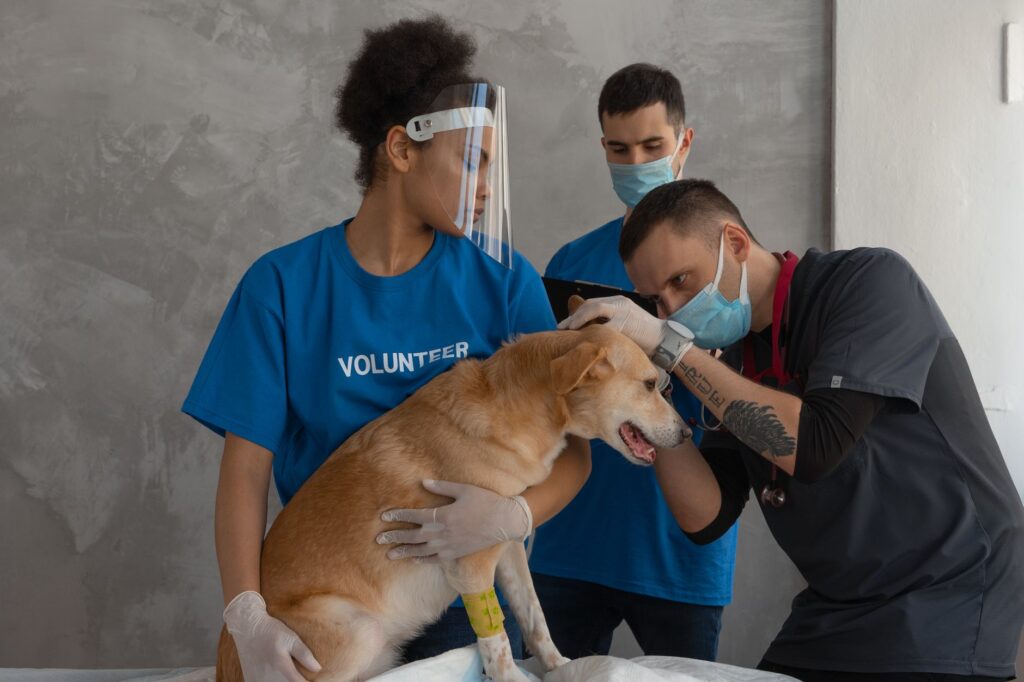
Veterinary care is an essential part of keeping an animal healthy, but unexpected medical emergencies and illnesses can quickly result in substantial medical bills. A single emergency visit involving diagnostic tests, prescription drugs, or surgery can place an unexpected financial strain on any household budget. Deciding whether pet insurance is worth it requires balancing predictable monthly premium expenses against the potential risk of paying large veterinary bills out of pocket.
How does pet insurance work?
Pet health insurance operates similarly to human health insurance, utilizing annual premiums, deductibles, co-pays, and reimbursement caps. A premium is the recurring fee you pay each month or year to keep your policy active.
A deductible is the initial amount of veterinary expenses you must pay out of pocket before your policy begins paying benefits. A co-pay is your share of the medical costs after satisfying the deductible, which determines the percentage the insurer pays back. In the pet insurance industry, plans usually reimburse 70 to 90 percent of the total bill for covered medical services.
Unlike human healthcare, where doctors often bill insurers directly, pet insurance typically requires you to pay the veterinarian upfront. After paying the veterinary clinic in full, you submit a formal claim along with the itemized bill to your insurance provider. The company evaluates the claim under your contract terms and reimburses you for the covered portion of the expenses.
Policies also enforce caps, which are maximum dollar limits on the benefits the insurer will pay. Depending on the contract, coverage limits may apply per incident, per policy year, or over the lifetime of the animal. Furthermore, policies may impose caps on reimbursements for specific illnesses or accidents alongside caps on total reimbursements during a single policy term.
What does pet insurance cover?
Pet insurance coverage varies widely based on the tier of protection you select, ranging from accidental injury plans to comprehensive medical and preventive care. Insurers offer coverage for many companion animals, including dogs, cats, rabbits, ferrets, exotic birds, reptiles, potbelly pigs, and various rodents.
Services normally covered under broad pet insurance plans include:
- Accidental injuries and poisonings
- Surgeries and hospitalizations
- Prescription medications
- Emergency veterinary visits
- Illnesses, including chronic conditions and cancer
- Diagnostic procedures such as X-rays and laboratory fees
- Wellness checks (under specific wellness policies)
- Burial or cremation expenses (under select policy options)
Conversely, standard policies frequently exclude or limit specific treatments. Common exclusions include:
- Routine preventive care (unless separate well care protection is purchased)
- Dental care not directly associated with an accident or injury
- Treatment for behavioral problems
- Elective procedures
- Breed-specific hereditary conditions or congenital conditions (which may have limited benefits or total exclusions)
- Pre-existing medical conditions
To help choose the right tier, review how the three main levels of pet insurance compare in their coverage structures and cost expectations:
| Coverage Level | What It Covers | Deductible Structure | Reimbursement and Limits |
|---|---|---|---|
| Basic Coverage | Accidental injuries, poisonings, and illnesses (including cancer); some plans cover accident-only injuries. | Higher annual deductible. | Lowest reimbursement rates; caps apply per accident, per illness, and per policy term. |
| Comprehensive Coverage | Accidents, emergencies, illnesses, office visits, prescriptions, diagnostic tests, X-rays, and lab fees. | Lower annual deductible than basic coverage. | More generous reimbursements; caps apply per accident, per illness, and per policy term. |
| Pet Well Care Protection | Preventive care, routine physical exams, flea and heartworm prevention, and vaccinations. | No deductible for well care; nominal deductible for other medical services. | Reimburses scheduled routine wellness costs to support preventive health maintenance. |
How much does pet insurance cost?
Pet insurance premiums can range from less than $10 a month to as much as $100 a month depending on several risk factors. The total price you pay reflects the level of coverage you choose alongside your pet’s individual demographic profile.
Pricing is typically determined by the following elements:
- Animal type and breed: Dogs and cats may face different baseline pricing, and certain breeds prone to specific health issues often cost more to cover.
- Age: Older animals generally cost significantly more to insure because their risk of developing illness increases, and some insurers enforce strict upper age limits.
- Health profile: An animal’s overall medical history influences whether an insurer will issue standard rates or restrict coverage.
- Coverage level: Basic accident-oriented policies carry the lowest monthly costs, while comprehensive plans with low deductibles and high reimbursement percentages represent the higher end of the pricing spectrum.
Because premium rates, deductibles, co-pays, and policy exclusions vary widely across carriers, shopping around and comparing quotes from multiple companies is essential to find an affordable option.
How do pre-existing conditions and breed limits affect policy value?
Pre-existing conditions and breed exclusions are among the most critical factors when assessing whether pet insurance is worth it. A pre-existing condition refers to any health or medical issue your pet exhibited before the coverage took effect.
Pre-existing conditions are rarely covered by standard pet insurance contracts. When an insurer does offer limited terms for pre-existing medical or hereditary conditions, the company may enforce a mandatory waiting period before any coverage kicks in. Certain severe illnesses, such as diabetes or cancer, are frequently excluded entirely or covered only on a strictly limited basis. To verify health status, some insurers require an examination by a licensed veterinarian to certify your pet’s health before a policy is issued.
Renewable benefits present an additional issue to review in your policy documents. If your pet receives treatment for a covered medical condition during the initial policy term, certain insurance companies may reclassify that illness as a pre-existing condition upon policy renewal. Under these terms, the insurer may exclude coverage for that specific condition on the renewed contract.
Breed-specific restrictions can also reduce the value of a policy. Some insurers limit coverage or reduce payout benefits for hereditary conditions common to specific breeds, such as hip dysplasia. Other companies may refuse to sell policies for certain breeds altogether or charge significantly higher monthly premiums. If you own a purebred dog or cat, you must review whether your pet’s breed faces hereditary exclusions.
Are you restricted to specific veterinarian networks?
Most pet insurance policies allow you to use any licensed veterinarian of your choice. This flexibility ensures you can maintain care with your existing family veterinarian or visit an emergency hospital during off-hours without coverage penalties.
However, some plans require policyholders to use a specific network of participating veterinarians. If you select a network-restricted policy, verify that your current veterinarian participates or that qualified network providers operate in your local area. Consulting your trusted veterinarian regarding their direct experience with various pet insurance providers can provide practical insight into how easily claims are processed.
What alternatives and additional protections exist?
Beyond traditional health policies, pet owners can consider other products to manage financial and legal liabilities associated with owning an animal. These alternatives serve different purposes and offer varying degrees of financial relief.
Veterinary discount plans
Veterinary discount plans are membership-based subscription services rather than regulated insurance contracts. Members pay a recurring monthly fee in exchange for reduced prices on medical procedures, office visits, prescriptions, and pet products. These discounts are only honored by a specific group of participating veterinarians who have agreed to join the plan network.
While a discount plan reduces routine out-of-pocket expenses, it provides far less financial protection than insurance during a catastrophic, high-cost illness or emergency surgery. Furthermore, veterinary discount plans are not regulated by insurance law, meaning consumer protections and state regulatory oversight do not apply.
Life and theft insurance
Life and theft insurance is specialized coverage designed specifically for highly valuable animals. This protection is typically purchased by zoos or owners of championship show dogs, championship cats, horses, and police dogs. The policy provides financial reimbursement if an animal is stolen and pays a death benefit if the animal dies during transport or other covered events.
Homeowners and renters insurance protections
Your existing homeowners or renters insurance policy may already provide valuable protections related to your pets:
- Liability protection: If your dog bites someone, causes physical injury, and results in a lawsuit, your homeowners or renters policy provides liability defense in court. However, most policies exclude dogs with a documented history of biting or aggressive behavior. Many homeowner associations restrict specific breeds, and a growing number of communities legally require owners of restricted breeds to purchase additional liability insurance.
- Personal property coverage: High-value pet accessories and equipment are covered under the personal property section of standard homeowners and renters policies. If items such as an expensive pet coat are stolen or damaged in a covered incident, your property policy covers the loss.
Key takeaways
- Pet insurance generally reimburses between 70 and 90 percent of covered veterinary expenses after you pay the bill and satisfy your deductible.
- Monthly premiums range from under $10 to up to $100 based on coverage tier, animal age, health history, and breed.
- Pre-existing conditions are rarely covered, making it essential to secure coverage before an animal becomes sick or injured.
- Veterinary discount plans provide reduced rates through participating clinics but lack insurance regulatory protections and leave you with substantial costs during catastrophic emergencies.
- Homeowners and renters insurance supply liability coverage for dog bites and personal property coverage for accessories, but exclude dogs with aggressive histories.
Common mistakes to avoid
- Waiting until a pet is sick to buy coverage: Insurers rarely cover pre-existing conditions, meaning waiting until an illness develops results in excluded medical claims and lost benefits.
- Overlooking breed-specific policy limits: Failing to check if your pet’s breed faces exclusions for hereditary issues like hip dysplasia can leave you paying for expensive treatments out of pocket.
- Ignoring policy renewal terms: Some carriers classify conditions treated during a policy term as pre-existing conditions upon renewal, stripping away future coverage for ongoing chronic illnesses.
- Confusing discount plans with true insurance: Enrolling in an unregulated discount plan instead of insurance leaves you responsible for the vast majority of the bill during major surgeries or emergencies.
Frequently asked questions
Can you use any veterinarian with pet insurance?
Most pet insurance policies permit you to visit any licensed veterinarian. However, certain plans require you to use a specific network of participating veterinarians, so you must verify network requirements before enrolling.
Does pet insurance cover pre-existing conditions?
Pre-existing conditions are rarely covered by pet insurance policies. Some insurers enforce a waiting period before covering specific conditions, while others exclude conditions like diabetes or cancer entirely.
How does reimbursement work after a veterinary visit?
With most policies, you pay the full veterinary bill at the time of service and submit a claim to your insurer. The insurance company then reimburses you for the covered percentage of the bill, typically between 70 and 90 percent.
Are routine wellness exams included in standard policies?
Standard basic and comprehensive plans generally focus on unexpected accidents and illnesses rather than preventive care. To receive reimbursement for routine exams, vaccinations, and flea or heartworm prevention, you typically need to add pet well care protection.