Homeowners Insurance
How much homeowners insurance do I need?
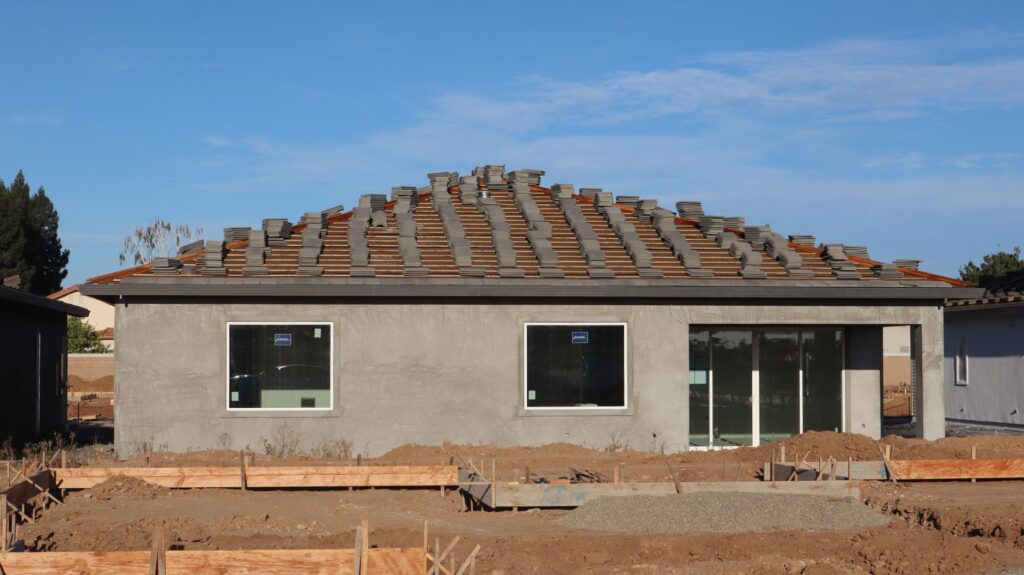
Choosing the right coverage limits protects you from facing devastating out-of-pocket expenses following a disaster. Understanding how much homeowners insurance do I need requires looking at physical rebuilding expenses rather than your local real estate market prices. Reviewing your dwelling limits, policy features, and exclusions ensures you maintain sufficient financial protection if your property is damaged or destroyed.
How much dwelling coverage do you need to rebuild your home?
You need enough dwelling coverage to pay the complete expense of repairing or replacing the physical structure of your house. Your insured value represents the actual cost to rebuild or replace your home, which is distinct from your real estate valuation.
Property owners often confuse appraised value with insured value. Your property’s appraised value includes the market cost of your land and factors in the prices of homes selling in your neighborhood. Insurance policies do not cover the value of the land beneath your home, which means your required dwelling coverage should focus strictly on the labor, materials, and expenses required to reconstruct the building itself.
Building costs fluctuate over time, making it essential to base your coverage limit on current prices. When construction expenses rise, maintaining an outdated policy limit leaves your property vulnerable to severe financial shortfalls. Setting an accurate dwelling coverage figure guarantees that you have the financial resources to reconstruct your home from the foundation up following a total loss.
Related reading: What does homeowners insurance cover and not cover?
How do replacement cost and actual cash value coverage differ?
Replacement cost coverage pays to rebuild or repair your property using current market prices, whereas actual cash value coverage subtracts depreciation based on the age and condition of the damaged items. Choosing between these two methods determines how much you receive during a claim.
A replacement cost policy pays to replace what you lost with a comparable new item, paying up to the maximum limit listed on your policy declaration page. In contrast, actual cash value coverage pays less because it reduces your payout based on age, wear, and deterioration. While policies featuring actual cash value coverage carry lower premium costs, they pay significantly smaller amounts when you experience a covered loss.
The difference between these approaches becomes clear when examining how an insurer compensates you for roof damage caused by a covered storm. Consider an example where a house is insured for $200,000 with a 2 percent deductible ($4,000), and the roof requires $10,000 to replace completely:
| Coverage Type | Roof Age | Assessed Value of Roof | Deductible Applied | Total Policy Payout |
|---|---|---|---|---|
| Replacement Cost Coverage | Any age | $10,000 (Cost to replace) | -$4,000 | $6,000 |
| Actual Cash Value Coverage | 5-year-old roof | $8,500 | -$4,000 | $4,500 |
| Actual Cash Value Coverage | 10-year-old roof | $7,000 | -$4,000 | $3,000 |
| Actual Cash Value Coverage | 20-year-old roof | $4,000 | -$4,000 | $0 |
As the table demonstrates, under actual cash value coverage, an older roof results in a lower payout. On a 20-year-old roof, the actual cash value equals the $4,000 deductible, resulting in a claim payment of $0. Under replacement cost coverage, the insurer pays $6,000 regardless of the roof’s age.
What happens if your home insurance coverage is too low?
If your policy covers less than the total expense to repair, rebuild, or replace your structure and possessions, you are considered underinsured. Being underinsured can trigger partial claim penalties and leave you paying out of pocket to finish rebuilding your house.
Many insurance companies enforce an 80 percent rule, requiring you to carry insurance on at least 80 percent of the total cost to rebuild your home. If you insure your home for less than that standard, your insurer may reduce your claim payout proportionately. For instance, if the full cost to rebuild your house is $200,000, but you only buy $120,000 of coverage (which is 60 percent of the replacement cost), the company might only pay up to 60 percent of your repair costs, minus your deductible.
Underinsurance is a widespread problem across the United States. A consumer alert from the NW Insurance Council estimates that nearly two-thirds of all homes in the country are underinsured. The real-world consequences were evident during the Gray and Oregon Road wildfires in 2023, where data collected showed that two-thirds of the people who lost their homes were underinsured. These homeowners had to pay out of pocket for the balance of rebuilding expenses that their insurance did not cover, and many ran out of additional living expense coverage before their homes were completed.
Homeowners often become underinsured simply because construction prices rise faster than their coverage. For example, if you purchased a $400,000 home and insured it for $300,000, that amount may have matched rebuilding costs at the time your policy was written. However, between 2021 and subsequent years, the cost of labor and building materials increased by 7 percent. That price increase raised the rebuilding cost to $321,000, leaving the original $300,000 policy limit short of what was needed to fully reconstruct the house.
What endorsements and policy options help protect against rising costs?
Policy endorsements provide extra coverage layers that keep your insurance limits aligned with rising construction expenses. Adding specific endorsements to your policy helps prevent your dwelling limits from falling behind economic changes.
You can ask an insurance agent or broker about several protective options:
- Inflation guard: This endorsement automatically increases your dwelling limit on an annual basis to help keep up with rising costs. Because it may not fully capture sudden regional cost spikes, you should still review your policy limits every year.
- Extended loss coverage: Also known as extended limits or extended replacement coverage, this endorsement adds a set percentage above your regular dwelling limit if rebuilding costs more than expected. Insurers may require you to insure your home for 100 percent of its value for this protection to apply.
- Guaranteed replacement coverage: This option provides additional coverage beyond the regular dwelling limit to rebuild your home, though policy terms still establish clear limits on what the insurer pays.
What common hazards are not covered by standard homeowners policies?
Standard homeowners policies contain specific exclusions for common natural disasters and gradual issues, requiring you to purchase separate coverage to stay fully protected. Relying solely on standard coverage leaves major gaps in your disaster preparedness.
Standard homeowner policies do not cover the following events and damages:
- Flood damage
- Earthquake damage
- Sewer or drain backups
- Costs required to meet new building codes, ordinances, or local laws
- Land movement and landslides
- Gradual water leak damage and mold
To guard against these excluded perils, you must arrange separate protections. For example, you can visit the National Flood Insurance Program to obtain dedicated flood insurance coverage, or talk to an agent about specific policies for earthquakes, sewer backups, and code upgrades.
How do you keep your homeowners insurance coverage up to date?
You can keep your policy accurate by scheduling regular policy reviews with your insurance professional and evaluating your deductibles. Taking simple maintenance steps ensures your coverage matches current market conditions without overpaying for unnecessary services.
Follow these steps to manage your coverage limits responsibly:
- Schedule an annual policy review: Request a free annual policy review with your agent or broker over the phone, via video, or in person. Regular reviews give you an opportunity to adjust limits to match recent regional labor and material price changes.
- Evaluate your deductible: You can lower your annual premium payments by choosing a higher deductible. When setting your deductible amount, confirm that you have enough personal funds to pay that amount if your property suffers damage.
- Compare market rates: Consumers can compare sample rates among different insurance companies using tools such as HelpInsure.com.
- Evaluate recommended add-ons: While endorsements provide valuable safety nets, remember that insurance is a service you pay for. Ask your agent or broker to explain their recommendations clearly so you only buy what you need.
Key takeaways
- Your dwelling coverage should be based on the cost to replace or rebuild the physical structure, not its market or appraised real estate value.
- Replacement cost coverage pays current repair prices, while actual cash value coverage reduces payouts by subtracting depreciation for age and condition.
- Insuring less than 80 percent of your rebuild cost can trigger proportional payment penalties on partial damage claims.
- Endorsements like inflation guard and extended replacement coverage help your policy limits keep pace with rising labor and material costs.
- Standard policies exclude floods, earthquakes, sewer backups, landslides, code upgrades, and gradual leaks, requiring separate coverage arrangements.
Common mistakes to avoid
- Confusing appraised value with rebuilding cost: Appraised values include land and local market sales demand, whereas rebuilding coverage should only reflect actual material and labor costs to reconstruct the home.
- Insuring only for your mortgage loan amount: Lenders typically only require enough coverage to pay off the mortgage balance, which can leave you without enough money to rebuild if total construction costs are higher.
- Assuming replacement cost eliminates all underinsurance risk: Replacement cost coverage only pays up to the dollar limit stated on your declaration page unless you carry extended coverage endorsements.
- Ignoring policy exclusions: Assuming a standard policy covers all catastrophic damage can lead to uncovered losses from floods, earthquakes, sewer backups, and land movement.
Frequently asked questions
What happens if I only carry enough coverage to satisfy my mortgage lender?
Mortgage lenders typically require only enough insurance to cover the balance of your loan. If rebuilding costs exceed your loan balance, you will have to pay the remaining repair or construction bills out of your own pocket.
Can my coverage fall behind even if I purchased enough when I moved in?
Yes, rebuilding costs rise over time as the prices of building materials and labor increase. For example, construction material and labor costs increased by 7 percent between 2021 and recent years, meaning an unchanged policy limit can leave you underinsured.
Does my homeowners insurance policy cover damage caused by flooding or earthquakes?
No, standard homeowners policies exclude damage caused by floods and earthquakes. You must buy separate protections for these disasters, such as flood coverage through the National Flood Insurance Program.
How can I lower my homeowners insurance premium without dropping essential limits?
You can lower your premium payment by choosing to increase your deductible amount. When selecting a higher deductible, ensure it is an amount you can comfortably afford to pay out of pocket if your property is damaged.