Pet & Travel Insurance
How do pet insurance reimbursements work?
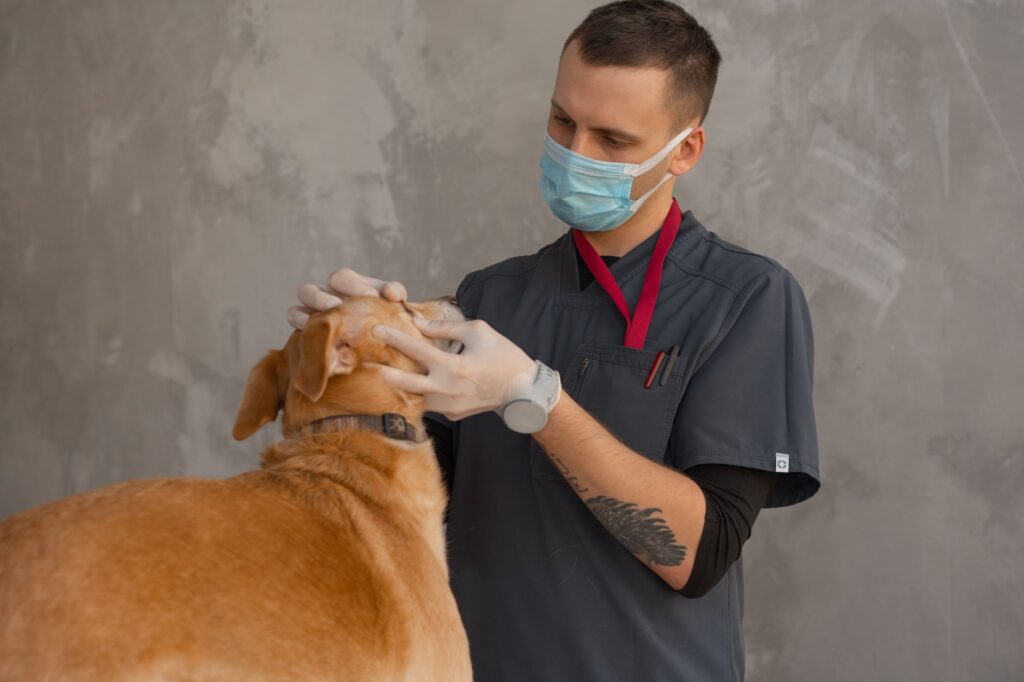
Understanding how pet insurance reimbursements work is essential before your animal faces an unexpected illness, accident, or emergency. Veterinary treatments such as surgeries, diagnostic tests, and hospitalizations can quickly lead to expensive medical bills. Knowing how insurers calculate and issue claim payments helps you budget your finances and avoid unexpected out-of-pocket costs.
How do pet insurance reimbursements work step by step?
Pet insurance reimbursements generally require you to pay the clinic upfront before receiving any funds from your insurance provider. Unlike human healthcare policies that often pay hospitals directly, pet insurers typically repay pet owners after treatment is complete.
The reimbursement process follows several distinct phases from the time of care to the final payment:
- Receive veterinary care and pay the bill: You take your pet to the clinic for medical treatment, an examination, or an emergency. You pay the full veterinary bill out of pocket at the time your pet is treated.
- Obtain itemized invoices and medical records: Keep an itemized copy of the bill that lists every service, medication, and procedure. Some insurers may also require a veterinarian to examine your pet and certify its health or provide medical records.
- File a claim with your insurer: You submit a claim form alongside your itemized vet bill to the insurance company. This form explains the reason for the visit and details the costs you incurred.
- Wait for claim review and policy adjustments: The company reviews your claim against your policy terms, exclusions, deductibles, copays, and payout limits. A deductible is the amount of money you must pay out of pocket before your insurance starts paying. A copay is the share of the medical costs you are responsible for paying.
- Receive your reimbursement payment: Once the insurer approves the claim, they send you a reimbursement for the covered amount. Plans usually cover 70 to 90 percent of the bill for covered services.
Related reading: How do pet insurance reimbursements work? · Does pet insurance cover pre-existing conditions?
What policy factors determine your reimbursement amount?
Your reimbursement amount is determined by the specific rules, limits, and cost-sharing structures built into your policy. Even if a medical service is covered, several policy terms will influence the final dollar amount you get back.
Before you receive money back, your insurer will evaluate several key financial terms:
- Reimbursement percentage: Most plans cover 70 to 90 percent of the bill for eligible medical services. You remain responsible for paying the remaining percentage out of pocket.
- Deductibles: Some policies feature an annual deductible, while others may apply deductibles per condition. Basic and comprehensive plans typically have different deductible levels.
- Coverage caps: Policies often place caps on reimbursements per accident or illness, caps on total reimbursements per policy term, or limits based on a yearly timeframe or your animal’s lifetime. A coverage limit, or cap, is the maximum dollar amount an insurance company will pay toward your claims.
- Exclusions and limitations: If a portion of your vet bill includes an excluded service, such as elective procedures or non-covered dental care, that specific cost is removed before your reimbursement is calculated.
How do coverage levels impact pet insurance reimbursements?
The type of coverage you choose directly affects the types of treatments eligible for reimbursement and how much your policy will pay. Pet health insurance policies come in different levels, ranging from basic accident protection to comprehensive illness and well care plans.
Premiums are the monthly or annual fees you pay to keep your pet insurance active. Monthly plan costs can range from less than $10 a month to as much as $100 a month depending on the type of pet and the level of coverage you select.
| Coverage Level | Services Eligible for Reimbursement | Deductibles and Reimbursement Caps |
|---|---|---|
| Basic Coverage | Accidental injuries, poisonings, and illnesses (including cancer). Provides the lowest reimbursements for medical procedures. | Includes an annual deductible; caps reimbursements per accident or illness, and caps total reimbursements per policy term. |
| Comprehensive Coverage | Accidental injuries, illnesses, emergencies, office visits, prescriptions, diagnostic tests, X-rays, and lab fees. | Features lower annual deductibles than basic plans; caps reimbursements per accident or illness, and caps total reimbursements per policy term. |
| Pet Well Care Protection | Preventive care, including physical exams, vaccinations, and flea and heartworm prevention. | Features no deductible for well care, but applies a nominal deductible for other medical services. |
What vet services qualify for insurance reimbursement?
Whether a veterinary bill qualifies for reimbursement depends entirely on what your policy will and will not cover. Different plans cover different types of animals, including dogs, cats, rabbits, ferrets, exotic birds, reptiles, potbelly pigs, and various rodents.
Services that are normally covered by pet insurance plans include:
- Accidents and poisonings
- Surgeries and hospitalizations
- Prescription medications
- Veterinary emergencies
- Illnesses, including cancer
- X-rays, diagnostic tests, and lab fees
- Wellness checks and physical exams (under well care plans)
- Burial or cremation expenses (offered by select policies)
Services that may not be covered or may face strict payout limitations include:
- Preventive care (unless you have well care protection)
- Dental care that is not associated with an accident or injury
- Treatment for behavioral problems
- Elective procedures
- Congenital conditions, where limited benefits may apply
- Breed-specific hereditary conditions, which may have limited benefits or be excluded entirely
Can you use any vet and still receive reimbursements?
Most pet insurance policies allow you to use any licensed veterinarian and still receive your reimbursements. This flexibility lets you visit your trusted family clinic, emergency veterinary hospitals, or specialist practices without losing coverage.
However, some plans require you to use a specific network of veterinarians. If your policy enforces a network, you must ensure that there is a participating veterinarian in your area or that your primary family vet participates in that network. If you have a trusted veterinarian, ask them about their experience with pet insurance and which policy might work well for your pet.
How do pre-existing conditions affect claim reimbursements?
Pre-existing conditions are rarely covered by pet insurance, which can lead to denied claims if your animal had symptoms before enrollment. A pre-existing condition is any medical condition, illness, or injury your pet developed before your policy took effect.
Because pre-existing issues are excluded, the time to buy pet insurance is before your pet gets sick or hurt. Review your policy carefully to understand how it handles pre-existing hereditary and medical conditions. For pre-existing conditions, an insurer may enforce a waiting period before coverage kicks in. Other conditions, such as diabetes or cancer, may be excluded entirely or covered on a limited basis, and some insurers may require a vet to examine your pet to certify its health before issuing a policy.
How do veterinary discount plans differ from insurance reimbursements?
Veterinary discount plans are membership-based programs rather than true insurance policies, and they do not provide reimbursements. Instead of reimbursing you after you pay the full bill, a discount plan gives you reduced prices at the time of service from a specific group of participating veterinarians.
With a discount plan, you pay a monthly fee to receive lower rates on medical procedures, products, prescriptions, and pet services. However, veterinary discount plans are not regulated by law like insurance policies are. In the event of a catastrophic or expensive pet emergency, a discount plan may still leave you paying significantly more out of pocket than a pet health insurance plan that reimburses 70 to 90 percent of covered costs.
Key takeaways
- Pet insurance usually works by reimbursing you after you pay the veterinarian in full and submit a formal claim.
- Most plans reimburse between 70 and 90 percent of eligible costs for covered veterinary services.
- Reimbursement totals are reduced by policy deductibles, copays, and caps that limit payouts per incident, per year, or over a lifetime.
- Pre-existing conditions are rarely covered, making it essential to buy coverage before your pet gets sick or injured.
- Most policies let you visit any veterinarian, but some plans require you to use an approved veterinarian network.
Common mistakes to avoid
- Waiting until a pet is sick to buy coverage: Pre-existing conditions are rarely covered and may be excluded entirely or subject to waiting periods, leaving you without reimbursement for prior illnesses.
- Overlooking policy reimbursement caps: Failing to check if your policy limits payouts by incident, annual timeframe, or your animal’s lifetime can leave you responsible for large unpaid balances during major emergencies.
- Assuming preventive care is automatically covered: Basic and standard plans often exclude routine care, physical exams, and dental care unless you purchase specific well care protection.
- Failing to verify network restrictions: Assuming you can visit any clinic without checking your policy can result in unpaid claims if your plan requires a specific network of veterinarians.
Frequently asked questions
What percentage of the vet bill does pet insurance reimburse?
Most pet insurance policies cover 70 to 90 percent of the bill for covered veterinary services. The exact reimbursement amount depends on your specific plan, deductible, and coverage limits.
Can you use any veterinarian and still get reimbursed?
Most pet insurance policies allow you to visit any licensed veterinarian. However, some plans require you to use a specific network of veterinarians to receive coverage, so check your policy terms.
Are pre-existing conditions eligible for reimbursement?
Pre-existing conditions are rarely covered by pet insurance plans. Some insurers enforce a waiting period before certain conditions qualify, while other illnesses like cancer or diabetes may be excluded entirely or covered on a limited basis.
How does a veterinary discount plan differ from pet insurance reimbursement?
A veterinary discount plan is a membership program that offers reduced rates at participating clinics, but it is not insurance and does not pay reimbursements. Pet insurance reimburses you for covered veterinary costs after you pay the bill upfront.