Pet & Travel Insurance
How do pet insurance reimbursements work?
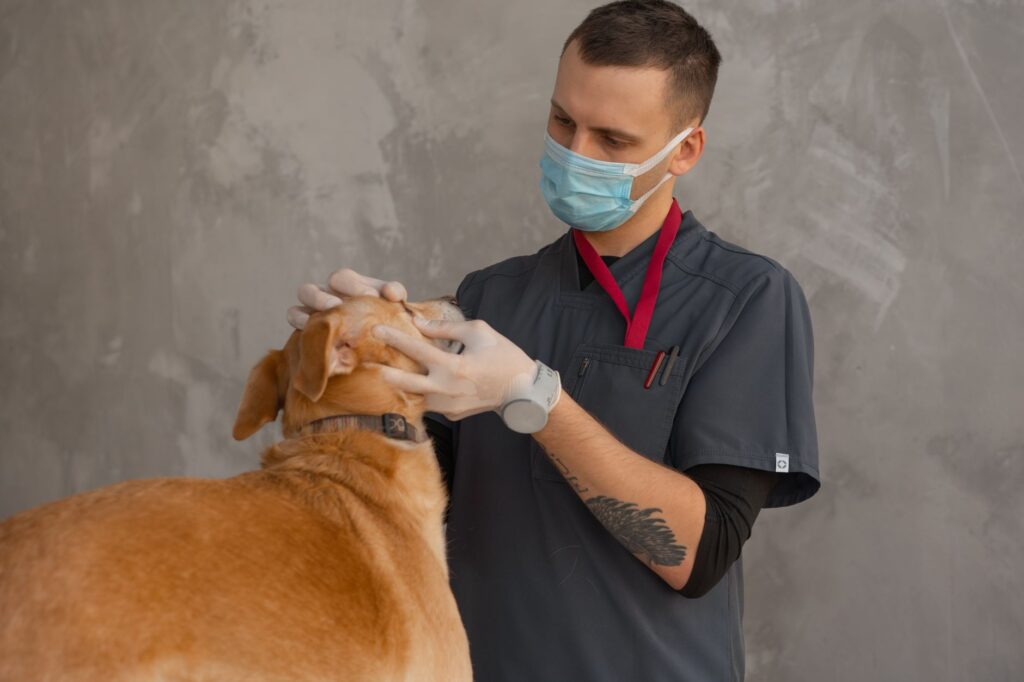
Visiting the veterinarian can quickly become expensive when your pet experiences an unexpected emergency, illness, or injury. Understanding how pet insurance reimbursements work allows you to manage your veterinary expenses and avoid financial surprises after medical treatment. Knowing your policy terms helps you choose the right level of coverage and budget for your animal’s health needs.
How does the pet insurance reimbursement process work?
Pet health insurance operates in a manner similar to human health insurance policies. You pay an ongoing premium, which is the monthly or annual fee you pay to keep your policy active. When your dog, cat, or other animal gets sick or hurt, you take them to the vet for treatment.
With most pet insurance companies, you must pay the veterinary clinic the full bill out of pocket at the time of service. After paying the veterinary bill, you file a claim directly with your pet insurance company. The insurer evaluates your claim against your policy terms and then issues a reimbursement payment to you for the covered amount.
Most insurance plans cover between 70 and 90 percent of the total bill for eligible, covered services. The exact amount you receive back depends heavily on your plan’s cost-sharing structure, including deductibles and copays. A deductible is the amount of money you must pay out of pocket before your insurance coverage starts paying. A copay is the percentage or portion of the covered medical costs that you remain responsible for paying alongside your insurer.
Related reading: How do pet insurance reimbursements work? · Does pet insurance cover pre-existing conditions?
What limits and caps affect your reimbursement payout?
When you file a claim, your reimbursement may be subject to strict payout caps outlined in your policy documents. A coverage limit or cap is the maximum dollar amount an insurance company will pay toward your veterinary expenses during a specific timeframe. If your animal requires extensive treatments or surgeries, these caps can directly reduce your reimbursement check.
Insurers generally establish coverage limits in three distinct ways:
- Per-incident caps: The policy sets a maximum reimbursement amount for each individual accident or illness episode.
- Yearly timeframe caps: The policy establishes a maximum dollar total that it will reimburse across an entire policy year.
- Lifetime caps: The company limits the total payout it will provide over the entire life of your insured animal.
Because caps limit how much money you can recover, state insurance regulators recommend reviewing your policy terms closely. Check your policy documents or contact your state insurance department to confirm how payout caps apply to your specific plan.
How do different coverage levels change your reimbursement?
The type of plan you select determines what kinds of veterinary procedures qualify for reimbursement and how much money you receive back. Insurance companies offer multiple tiers of coverage that feature varying premiums, deductibles, and reimbursement limits. Choosing the right tier involves balancing what you can afford to pay out of pocket against the medical expenses you need insurance to cover.
Basic coverage is the least expensive option, but it provides the lowest reimbursements for medical procedures. Basic plans typically include higher annual deductibles, caps on reimbursements per accident or illness, and caps on total payouts per policy term. Comprehensive coverage costs more in monthly premiums but provides more generous reimbursements, lower annual deductibles, and broader medical protection. Pet well care protection offers reimbursement for routine preventive care without requiring a deductible for wellness services.
| Plan Level | Services Eligible for Reimbursement | Deductible Structure | Reimbursement Levels and Caps |
|---|---|---|---|
| Basic Coverage | Accidental injuries, poisonings, and illnesses (including cancer). | Features an annual deductible. | Lowest reimbursements; includes caps per accident/illness and per policy term. |
| Comprehensive Coverage | Accidents, illnesses, emergencies, office visits, prescriptions, diagnostic tests, lab fees, and X-rays. | Features a lower annual deductible than basic coverage. | More generous reimbursements; includes caps per accident/illness and per policy term. |
| Pet Well Care Protection | Preventive care, routine physical exams, vaccinations, and flea and heartworm prevention. | No deductible for well care; nominal deductible for other medical services. | Reimburses for scheduled preventive wellness services. |
What veterinary services are eligible for reimbursement?
Before an insurer issues a reimbursement, it checks whether the services listed on your veterinary bill are covered under your plan. Depending on your policy tier, pet insurance plans normally reimburse treatments for accidents, emergency visits, surgeries, and hospitalizations. Many comprehensive policies will also reimburse diagnostic X-rays, laboratory tests, and prescribed medications, while some plans even cover burial or cremation expenses.
However, insurers also maintain lists of services and procedures that may not be covered under standard plans. These exclusions mean the insurer will not reimburse you for those specific line items on your veterinary bill. Common services that policies frequently exclude or limit include:
- Preventive care (unless you purchase specialized well care protection).
- Dental care that is not directly associated with an accident or injury.
- Treatment for behavioral problems.
- Elective procedures that are not medically necessary.
- Congenital conditions, which are medical defects present from birth (limited benefits may apply).
- Breed-specific hereditary conditions, which are health issues passed down through genetics.
Review your policy exclusions carefully so you know which veterinary treatments qualify for payment before you submit a claim.
Why do pre-existing conditions and breed limits restrict reimbursements?
Pre-existing conditions represent one of the most common reasons pet insurance claims are denied or reimbursed at lower rates. A pre-existing condition is any injury, illness, or medical issue your pet developed before your insurance coverage officially began. Because pre-existing conditions are rarely covered, insurance regulators advise that the best time to purchase a policy is before your pet gets sick or hurt.
When you purchase coverage, some insurance companies enforce a waiting period before coverage kicks in for specific conditions. A waiting period is a set window of time after buying a policy during which benefits are not yet active. Other severe medical conditions, such as diabetes or cancer, may be excluded entirely from coverage or reimbursed only on a limited basis. To verify your animal’s health status, some insurers require a veterinarian to perform an examination certifying the pet’s health before agreeing to insure it.
Your pet’s breed can also restrict your reimbursement options. Certain plans limit coverage for hereditary medical conditions common to specific breeds, such as hip dysplasia in certain dogs. Furthermore, companies may charge higher premiums for specific breeds or refuse to sell policies for them altogether. If an insurer charges extra or restricts benefits based on your animal’s breed, shop around with different companies to compare options.
Can you visit any veterinarian and still receive reimbursement?
Most pet insurance policies allow you to use any licensed veterinarian of your choice. This flexibility means you can visit your regular family clinic, an emergency veterinary hospital, or a specialist without losing your reimbursement rights. If you have a trusted veterinarian, you can ask them about their experience with various pet insurance plans to help find a policy that fits your pet’s needs.
However, some insurance plans require you to use a specific network of veterinarians to qualify for coverage. A provider network is a designated group of clinics and animal healthcare professionals that have contracted with the insurance company. If your policy enforces a network, you must verify that your local family clinic is an approved participant before receiving care, or you may be forced to switch clinics to receive reimbursement.
You should also distinguish pet insurance from veterinary discount plans. A veterinary discount plan is a membership-based service rather than an insurance policy. With a discount plan, you pay a monthly fee in exchange for reduced prices on medical procedures, products, and prescriptions from participating clinics. Unlike pet insurance, discount plans are not regulated by law, and they do not reimburse you after treatment. In the event of a catastrophic accident or severe illness, a discount plan can leave you paying significantly more out of pocket than an insurance policy that reimburses the bill.
How much does pet insurance cost?
Pet insurance pricing varies widely depending on several key factors. Premiums generally range from less than $10 a month to as much as $100 a month. While dogs and cats are the most commonly covered animals, coverage is also available for rabbits, ferrets, exotic birds, reptiles, potbelly pigs, and various rodents.
Your exact premium cost and reimbursement rates are typically based on the following criteria:
- Animal age: Older animals cost more to insure because they face greater health risks, and some insurance companies enforce maximum age limits.
- Pet breed: Breeds prone to hereditary conditions often face higher premium rates.
- Health profile: The current and past health of your animal affects coverage availability and pricing.
- Coverage level: Plans that provide broader protection and cover more conditions cost more each month than basic injury-only plans.
Key takeaways
- With most pet insurance policies, you pay the veterinary clinic upfront and submit a claim to receive reimbursement.
- Plans typically reimburse between 70% and 90% of covered medical expenses after your deductible and copay are applied.
- Reimbursements are subject to policy payout caps, which can limit benefits by incident, by annual timeframe, or over your pet’s lifetime.
- Pre-existing conditions are rarely covered, making it essential to secure coverage before an animal gets hurt or develops an illness.
- Most policies let you visit any veterinarian, but some plans require you to use a specific network of clinics to receive reimbursement.
Common mistakes to avoid
- Waiting until your pet is sick to buy coverage: Pre-existing conditions are rarely covered, so buying a policy after a diagnosis means treatments for that condition will not be reimbursed.
- Ignoring policy payout caps: Failing to check per-incident, annual, or lifetime limits can leave you unexpectedly responsible for large veterinary bills that exceed your policy cap.
- Confusing discount plans with insurance: Joining an unregulated veterinary discount plan instead of purchasing pet insurance leaves you without claim reimbursements, costing you substantially more out of pocket for major emergencies.
- Overlooking breed-specific exclusions: Neglecting to check whether your policy excludes or limits hereditary conditions, like hip dysplasia, can result in denied claims for breed-related treatments.
- Failing to confirm network requirements: Assuming all plans permit any vet can cause problems if your policy mandates a specific veterinary network and your clinic is not included.
Frequently asked questions
How much of the veterinary bill does pet insurance reimburse?
Most pet insurance policies reimburse between 70% and 90% of eligible costs for covered services. Your final payout will depend on your deductible, your copay, and any policy caps.
Do you have to pay the vet before getting reimbursed?
Yes, with most pet insurance plans, you pay the vet directly for the full cost of treatment at the clinic. You then submit a claim to your insurer to receive reimbursement for the covered amount.
Can you use any veterinarian and still get reimbursed?
Most pet insurance policies allow you to visit any licensed veterinarian. However, some plans require you to use a specific network of veterinarians, so verify your provider network before scheduling care.
Are pre-existing conditions eligible for reimbursement?
Pre-existing conditions are rarely covered by pet insurance. Insurers may enforce waiting periods, limit coverage for chronic issues like cancer or diabetes, or require a veterinary exam to certify health before coverage begins.