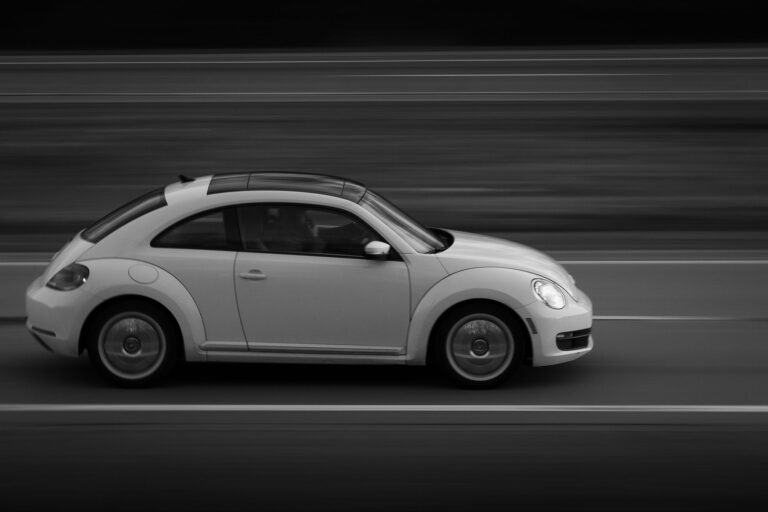
Auto Insurance
Myth: red cars cost more to insure

Many drivers believe that selecting a vibrant vehicle paint shade will instantly trigger higher premiums. This widespread belief causes shoppers to hesitate before purchasing their preferred vehicle style. Understanding how auto insurers genuinely calculate risk helps you budget effectively and avoid unnecessary coverage mistakes.
Do red cars cost more to insure?
Your vehicle’s exterior paint color has no effect on your insurance rates. Auto insurers do not charge higher prices whether your vehicle is painted “Arrest Me Red” or “Hide In Plain Sight White.” When you apply for a policy, insurance carriers do not even ask for or record paint color in their rating systems.
This persistent myth likely comes from the assumption that red vehicles draw more attention from traffic enforcement or are driven by aggressive motorists. In reality, insurance companies rely strictly on verified vehicle specifications and driver risk metrics. A bright red four-door sedan costs the exact same amount to insure as a white, silver, or blue model with the identical equipment.
Related reading: How much does car insurance cost per month for a new driver? · Liability vs. full coverage car insurance: what is the difference?
What vehicle factors actually determine your car insurance costs?
Instead of paint color, auto insurance companies review specific physical and financial characteristics of the vehicle. Premium rates reflect your vehicle’s make, model, body type, and age. Underwriting is the process insurance companies use to evaluate risk and establish policy pricing.
A vehicle’s engine size plays a major role in the premium calculation, as larger or more powerful engines often increase the risk of costly damage. Insurers also examine the vehicle’s original sticker price and the overall cost to repair it after an accident. If replacement parts or specialized bodywork are unusually expensive, your physical damage coverage will cost more.
Vehicle safety records and theft statistics also influence your final rate. Cars equipped with strong safety features that protect occupants effectively generally earn lower rates. Conversely, vehicles with high historical rates of theft or extensive damage costs require higher premiums to cover potential losses.
What driver factors affect your insurance premium?
In addition to your vehicle’s specifications, insurance carriers evaluate your personal profile behind the wheel. Underwriters examine your age, your driving history, and often your credit history to assess risk. Surcharges for prior accidents or serious traffic violations will increase what you pay for coverage.
Many insurers also look at your credit-based insurance score, which is derived from your credit history. Research shows that solid financial management is a reliable predictor of whether an individual will file an insurance claim. Because of this correlation, policyholders who maintain good credit scores frequently pay less for auto coverage.
Your personal background can also unlock useful policy discounts. For example, drivers over 55 years of age can earn premium discounts by completing an accident prevention course through local or state agencies, AAA, or AARP. Furthermore, retirees or part-time workers who drive fewer miles can qualify for low-mileage savings, while active military members across all service branches qualify for dedicated auto insurance discounts.
How do coverage selections change your rate?
The coverages and deductible amounts you choose directly shape your policy price. A deductible is the amount of money you agree to pay out of pocket before your insurance coverage pays for a covered loss. Setting a higher deductible lowers your ongoing premium, while choosing a low deductible increases your payments.
When selecting your deductible, make sure you have enough cash set aside to pay that amount if your car is damaged. It is also important to remember that filing small insurance claims can lead to higher rates later, so a balanced deductible prevents minor claims. Policyholders must also weigh the financial benefits of optional protections like collision and comprehensive coverage.
Comprehensive insurance pays if your vehicle is stolen or damaged by non-accident perils such as fire, hail, flood, vandalism, or falling tree limbs. Collision coverage pays to repair your car if it hits an object or another vehicle. If an older car is paid off, worth under $1,000, or worth less than 10 times your annual premium, carrying collision and comprehensive coverage may no longer be cost-effective.
How do standard auto insurance coverages compare?
Reviewing how different auto coverages function helps you avoid paying for unnecessary protections while maintaining the coverage you need.
| Coverage Type | What It Covers | When to Keep or Drop It |
|---|---|---|
| Auto Liability Insurance | Pays for the other driver’s vehicle repairs, medical bills, and related costs when you cause an accident. | Required by law in almost every state; consumer groups recommend buying at least $100,000 per person and $300,000 per accident. |
| Collision Coverage | Pays for damage to your own vehicle resulting from a crash with another vehicle or object. | Useful on newer, valuable, or financed cars; consider dropping when your car is older and worth under $1,000. |
| Comprehensive Coverage | Pays for vehicle damage caused by theft, vandalism, hail, flood, fire, or falling tree limbs. | Valuable for newer cars; consider dropping once the car is paid off or worth less than 10 times your premium. |
| Gap Insurance | Covers the difference between your vehicle’s market value and the amount you still owe on your loan. | Drop this coverage immediately once your remaining loan balance is less than the current market value of your vehicle. |
What other common auto insurance myths cost drivers money?
The myth about car color is not the only misunderstanding that leads to costly policy mistakes. Many drivers assume that buying only the minimum auto liability insurance required by state law provides sufficient financial security. However, minimum limits leave you exposed to substantial out-of-pocket expenses and potential lawsuits after a severe accident.
Another common misconception involves lending your vehicle to family members or friends. In most states, the auto insurance covering the vehicle serves as the primary coverage during a collision. That means your insurance company must pay for accident damage regardless of who was driving your car at the time.
Finally, many self-employed motorists incorrectly believe their personal auto insurance covers commercial activities. Personal auto insurance does not protect you if you use your vehicle for business operations. To avoid denied claims, business owners and self-employed drivers must obtain a dedicated business vehicle policy.
Key takeaways
- Car color does not impact auto insurance costs; premiums depend on vehicle make, model, age, engine size, repair costs, and theft rates.
- Driver details such as your age, driving record, and credit-based insurance score significantly affect your pricing.
- Drivers aged 55 and older can earn discounts through approved accident prevention courses, while military personnel qualify for service discounts.
- Collision and comprehensive coverage can be dropped when a paid-off car is worth under $1,000 or less than 10 times your premium.
- State minimum liability coverage is rarely sufficient; experts recommend maintaining at least $100,000 per person and $300,000 per accident.
Common mistakes to avoid
- Assuming red paint increases insurance rates: Believing paint color dictates pricing distracts buyers from managing actual rate drivers like vehicle repair costs and engine size.
- Purchasing only state minimum liability limits: State minimum coverage leaves you vulnerable to steep out-of-pocket costs and legal claims after a serious crash.
- Selecting an unaffordable deductible: Opting for a high deductible lowers your premium but can leave you unable to pay for repairs after an accident.
- Keeping gap insurance on an equity-positive car: Paying for gap coverage when you owe less than the vehicle is worth wastes money on coverage you cannot use.
- Using personal insurance for commercial work: Operating a business vehicle under a personal policy can result in denied claims if an accident occurs on the job.
Frequently asked questions
Can completing an approved driving course reduce auto insurance premiums?
Yes, drivers aged 55 and older can earn premium discounts by completing an approved accident prevention course through groups like AAA, AARP, or state agencies.
When is it safe to drop gap insurance on a vehicle?
You can safely drop gap insurance as soon as you owe less on your auto loan than the vehicle is worth, because it only covers negative equity.
Does your insurance pay if another person crashes your car?
In most states, the insurance policy attached to the vehicle is considered primary coverage, meaning your insurer pays for accident damages regardless of who was driving.
How does credit history influence your car insurance rates?
Insurers frequently review credit-based insurance scores because strong credit management correlates with fewer claims, allowing drivers with good credit to pay lower premiums.